
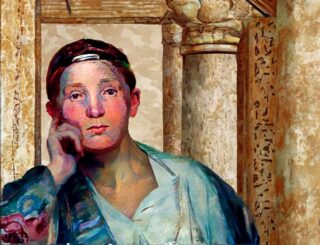
Judah gets religion
2 Chronicles 34:29-33 1King Josiah [1] called in Judah’s senior leaders. 2He led them up the hill from his Jerusalem palace to the Temple. All Jerusalem followed them, along with people who had come from all over Judah. Everyone in town joined the crowd: priests, prophets, and everyone else from the most important to the most ignored. With everyone watching, the king read the words from the book of the agreement with God that the high priest found in the Temple.
3Then the king, standing by one of the Temple pillars, made a public covenant promise to the LORD to follow God’s teachings and laws. He vowed with all his heart and soul to do exactly what the laws said. The people did the same. Josiah points Judah back to God
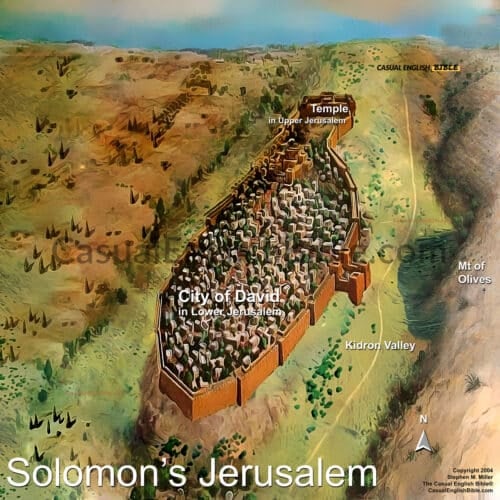
2 Chronicles 34:3-7 4King Josiah ordered the high priest Hilkiah, his associate priests, and the guards of the Temple treasury to sort through the donations. He told them to bring out everything people had once used to worship Baal, Asherah, and gods of the sky. He threw them into a fire he built in the fields of Kidron Valley below Jerusalem. He collected the ashes and took them to Bethel.
5Next, he targeted the people who practiced idol worship. He put a stop to idolatrous priests. Earlier kings of Judah had installed them at hilltop shrines and at other worship centers in and around Jerusalem and other towns of Judah. These are people who led others in worshipping Baal, the sun, the moon, the starry constellations, and other gods of the sky. 6He removed an image of Asherah from inside the Jerusalem Temple. He took it to the Kidron Valley streambed and burned it there. He threw the crumbled dust into the public cemetery. 7He evicted idolatrous priests living on Temple property, along with the women there who wove fabric used in worshiping Asherah. [2]
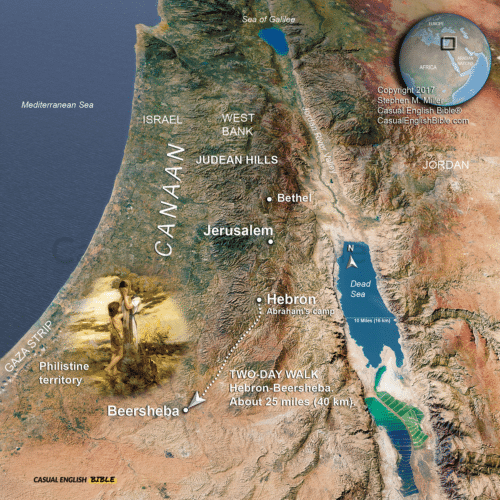
8He brought to Jerusalem all the Israelite priests who had been serving at pagan shrines, from Geba [3] in the north to Beersheba in the south. Then he desecrated [4] the land, turning it into an unfit place for worship. He destroyed shrines people had set up just outside and left of the Joshua Gate [5] leading into Jerusalem. 9Priests who had served at those pagan shrines were not allowed to work at the Temple altar. But they were allowed to eat the sacred bread [6] from the Temple.
10He left the Topheth [7] altar unusable, in Hinnom Valley. That stopped people from sacrificing their sons and daughters in a fire set to serve Molech. [8] 11Earlier kings of Judah had stationed horses [9] at the Temple entrance, but the horses were dedicated to the sun god. They stood in the courtyard by the room of an official known as Nathan-Melek. Josiah removed the horses and burned the chariots that were with them, which were also there to honor the sun.
12King Manasseh had built two pagan altars and put them in the Temple courtyards. Kings of Judah also built a pagan altar on the flat rooftop of King Ahaz’s upstairs room in the palace. Josiah broke those shrines to pieces and threw them in the rockpile rubble of the Kidron Valley streambed. 13King Solomon had built pagan shrines to several gods:
- Astarte, [10] gross goddess of Sidon
- Chemosh, [11] disgusting god of Moab
- Milcom, [12] repulsive god of Ammon.
Solomon placed them east of Jerusalem and south of Mount Vile. [13] Josiah made the shrine locations unfit for. 14He broke the shrines, chopped up the sacred poles, [14] and covered the sites with human bones. [15] Josiah destroys Israel’s revered pagan altar
15Josiah even tore down the hilltop altar that the first king of the northern Jewish nation of Israel set up in Bethel. That king was Jeroboam, the son of Nebat. Jeroboam is the one who led Israel into idolatry. But Josiah burned the wood at the altar, including the sacred pole, and he crushed the stones to dust.
16Josiah saw graves on the nearby hillsides. He ordered people to dig up some bones and burn them on the place where Jeroboam’s altar once stood. That defiled the land. No one would use it as a sacred space. This fulfilled the prediction a prophet gave Jeroboam when the king threw a party to celebrate the opening of the altar. [16]
17Josiah noticed a gravestone and asked, “What’s this monument about?” Locals told him, “It’s the tomb of the prophet who spoke out against the altar here, and who predicted what you just did.” [17] 18The king told his people, “Leave those bones alone. We’ll let him rest in peace.” So they didn’t take his bones. They did the same for that old prophet who came up from Judah but got killed by a lion on his way home from a mission to Samaria. [18]
19Josiah then went on a campaign to wipe out all the shrines in towns of what had been the territory of Samaria. These were the shrines that had gotten God angry at Israel. Josiah did to these shrines what he did in Bethel. 20But first, he executed all the pagan priests he could find. He slaughtered them on their own altars. Then he buried human bones on the sites. When he finished, he went home to Jerusalem. 400 Years without Passover
2 Chronicles 35:1-19 21It was springtime, and King Josiah gave this order to all the people of Judah: “I want you to observe Passover. Do it to express your devotion to the LORD your God. It’s our responsibility, according to the book of our agreement with God.”
22The people hadn’t bothered with Passover for centuries—since the time of the heroic judges of Israel. [19] Even through all those centuries, with all the kings of Israel and Judah—still no Passover. 23But now, in Josiah’s eighteenth year as king of Judah, people in Jerusalem celebrated Passover in honor of the LORD.
24Josiah banned every activity the book of law said was repulsive:
- Mediums who tried to consult the dead
- Sorcerers
- Household gods
- Idols and more.
Josiah didn’t allow them in Jerusalem or anywhere in Judah.
So, the priest Hilkiah found the book of the law in the LORD’s Temple, but Josiah put it into practice throughout Judah.
25As kings go, Josiah was one of a kind. He gave all his heart, all his soul, and all his might to honoring the LORD by obeying the law. No king before him or after him did it better.
26Even so, Josiah’s efforts were too little, too late for saving Judah. King Manasseh’s sins threw the switch on God’s anger. 27The LORD had already decided: “I’m getting rid of Judah, just like I erased Israel. I chose Jerusalem for my Temple and my home among the people. Now I reject it.” Egypt kills Josiah in battle
2 Chronicles 35:20—36:1 28The rest of Josiah’s story and his accomplishments are preserved in the History of Judah’s Kings.
29Before Josiah died, Egypt’s new king, Pharaoh Neco, led his army into Judah. He was on his way to the Euphrates River to reinforce the Assyrian army, which was on the run from Babylonians. [20] Josiah took his army to block the Egyptians at the Megiddo pass through the hills. Pharaoh Neco met him in battle and killed him.
30Josiah’s servants carried his body from Megiddo to Jerusalem. They buried him in his own tomb. The people crowned Josiah’s son, Jehoahaz, as the new king. Jehoahaz, the three-month king
2 Chronicles 36:2-4 31Jehoahaz was 23 years old when he became king in Jerusalem. He lasted three months. His mother was Hamutal. She was the daughter of Jeremiah, from Libnah. 32He was one of the bad kings, in God’s eyes, just as many of his ancestors had been before him.
33Pharaoh Neco fired him. Neco put him in prison at the Syrian town of Riblah near the city of Hamath. Pharaoh did that to keep him off the throne. Pharaoh also demanded that Judah pay tribute to Egypt: 3½ tons of silver and 75 pounds [21] of gold. Egypt’s king of Judah
2 Chronicles 36:5-8 34Neco chose another son of Josiah to serve as king: Eliakim. Then he changed the new king’s name to Jehoiakim. [22] Neco took Jehoahaz with him back to Egypt, where he could keep an eye on him. The deposed king died there.
35Jehoiakim paid Pharaoh Neco the required tribute of silver and gold. But he got the money by taxing the people of Judah, based on their assets. 36Jehoiakim was 25 years old when Pharaoh Neco crowned him king in Jerusalem. He reigned 11 years. His mother was Zebidah, the daughter of Pedaiah of the town of Rumah.
37He, too, was a bad king—evil, as God saw it. In that way, Jehoiakim was like many of his ancestors.
Related maps
Help Keep the Casual English Bible®
Free for Everyone
Your support helps us keep our Casual Bible free and accessible, especially for people new to the Bible, curious non-Christians, and Christians who’ve always found it hard to understand.
This mission is 100% reader-supported. If you believe everyone deserves a Bible they can easily read and relate to, we’d love your help.
1King Josiah [1] called in Judah’s senior leaders. 2He led them up the hill from his Jerusalem palace to the Temple. All Jerusalem followed them, along with people who had come from all over Judah. Everyone in town joined the crowd: priests, prophets, and everyone else from the most important to the most ignored. With everyone watching, the king read the words from the book of the agreement with God that the high priest found in the Temple.
3Then the king, standing by one of the Temple pillars, made a public covenant promise to the LORD to follow God’s teachings and laws. He vowed with all his heart and soul to do exactly what the laws said. The people did the same.Josiah points Judah back to God
3Then the king, standing by one of the Temple pillars, made a public covenant promise to the LORD to follow God’s teachings and laws. He vowed with all his heart and soul to do exactly what the laws said. The people did the same.
Josiah points Judah back to God
2 Chronicles 34:3-7 4King Josiah ordered the high priest Hilkiah, his associate priests, and the guards of the Temple treasury to sort through the donations. He told them to bring out everything people had once used to worship Baal, Asherah, and gods of the sky. He threw them into a fire he built in the fields of Kidron Valley below Jerusalem. He collected the ashes and took them to Bethel.
5Next, he targeted the people who practiced idol worship. He put a stop to idolatrous priests. Earlier kings of Judah had installed them at hilltop shrines and at other worship centers in and around Jerusalem and other towns of Judah. These are people who led others in worshipping Baal, the sun, the moon, the starry constellations, and other gods of the sky. 6He removed an image of Asherah from inside the Jerusalem Temple. He took it to the Kidron Valley streambed and burned it there. He threw the crumbled dust into the public cemetery. 7He evicted idolatrous priests living on Temple property, along with the women there who wove fabric used in worshiping Asherah. [2]
8He brought to Jerusalem all the Israelite priests who had been serving at pagan shrines, from Geba [3] in the north to Beersheba in the south. Then he desecrated [4] the land, turning it into an unfit place for worship. He destroyed shrines people had set up just outside and left of the Joshua Gate [5] leading into Jerusalem. 9Priests who had served at those pagan shrines were not allowed to work at the Temple altar. But they were allowed to eat the sacred bread [6] from the Temple.
10He left the Topheth [7] altar unusable, in Hinnom Valley. That stopped people from sacrificing their sons and daughters in a fire set to serve Molech. [8] 11Earlier kings of Judah had stationed horses [9] at the Temple entrance, but the horses were dedicated to the sun god. They stood in the courtyard by the room of an official known as Nathan-Melek. Josiah removed the horses and burned the chariots that were with them, which were also there to honor the sun.
12King Manasseh had built two pagan altars and put them in the Temple courtyards. Kings of Judah also built a pagan altar on the flat rooftop of King Ahaz’s upstairs room in the palace. Josiah broke those shrines to pieces and threw them in the rockpile rubble of the Kidron Valley streambed. 13King Solomon had built pagan shrines to several gods:
- Astarte, [10] gross goddess of Sidon
- Chemosh, [11] disgusting god of Moab
- Milcom, [12] repulsive god of Ammon.
Solomon placed them east of Jerusalem and south of Mount Vile. [13] Josiah made the shrine locations unfit for. 14He broke the shrines, chopped up the sacred poles, [14] and covered the sites with human bones. [15] Josiah destroys Israel’s revered pagan altar
15Josiah even tore down the hilltop altar that the first king of the northern Jewish nation of Israel set up in Bethel. That king was Jeroboam, the son of Nebat. Jeroboam is the one who led Israel into idolatry. But Josiah burned the wood at the altar, including the sacred pole, and he crushed the stones to dust.
16Josiah saw graves on the nearby hillsides. He ordered people to dig up some bones and burn them on the place where Jeroboam’s altar once stood. That defiled the land. No one would use it as a sacred space. This fulfilled the prediction a prophet gave Jeroboam when the king threw a party to celebrate the opening of the altar. [16]
17Josiah noticed a gravestone and asked, “What’s this monument about?” Locals told him, “It’s the tomb of the prophet who spoke out against the altar here, and who predicted what you just did.” [17] 18The king told his people, “Leave those bones alone. We’ll let him rest in peace.” So they didn’t take his bones. They did the same for that old prophet who came up from Judah but got killed by a lion on his way home from a mission to Samaria. [18]
19Josiah then went on a campaign to wipe out all the shrines in towns of what had been the territory of Samaria. These were the shrines that had gotten God angry at Israel. Josiah did to these shrines what he did in Bethel. 20But first, he executed all the pagan priests he could find. He slaughtered them on their own altars. Then he buried human bones on the sites. When he finished, he went home to Jerusalem. 400 Years without Passover
2 Chronicles 35:1-19 21It was springtime, and King Josiah gave this order to all the people of Judah: “I want you to observe Passover. Do it to express your devotion to the LORD your God. It’s our responsibility, according to the book of our agreement with God.”
22The people hadn’t bothered with Passover for centuries—since the time of the heroic judges of Israel. [19] Even through all those centuries, with all the kings of Israel and Judah—still no Passover. 23But now, in Josiah’s eighteenth year as king of Judah, people in Jerusalem celebrated Passover in honor of the LORD.
24Josiah banned every activity the book of law said was repulsive:
- Mediums who tried to consult the dead
- Sorcerers
- Household gods
- Idols and more.
Josiah didn’t allow them in Jerusalem or anywhere in Judah.
So, the priest Hilkiah found the book of the law in the LORD’s Temple, but Josiah put it into practice throughout Judah.
25As kings go, Josiah was one of a kind. He gave all his heart, all his soul, and all his might to honoring the LORD by obeying the law. No king before him or after him did it better.
26Even so, Josiah’s efforts were too little, too late for saving Judah. King Manasseh’s sins threw the switch on God’s anger. 27The LORD had already decided: “I’m getting rid of Judah, just like I erased Israel. I chose Jerusalem for my Temple and my home among the people. Now I reject it.” Egypt kills Josiah in battle
2 Chronicles 35:20—36:1 28The rest of Josiah’s story and his accomplishments are preserved in the History of Judah’s Kings.
29Before Josiah died, Egypt’s new king, Pharaoh Neco, led his army into Judah. He was on his way to the Euphrates River to reinforce the Assyrian army, which was on the run from Babylonians. [20] Josiah took his army to block the Egyptians at the Megiddo pass through the hills. Pharaoh Neco met him in battle and killed him.
30Josiah’s servants carried his body from Megiddo to Jerusalem. They buried him in his own tomb. The people crowned Josiah’s son, Jehoahaz, as the new king. Jehoahaz, the three-month king
2 Chronicles 36:2-4 31Jehoahaz was 23 years old when he became king in Jerusalem. He lasted three months. His mother was Hamutal. She was the daughter of Jeremiah, from Libnah. 32He was one of the bad kings, in God’s eyes, just as many of his ancestors had been before him.
33Pharaoh Neco fired him. Neco put him in prison at the Syrian town of Riblah near the city of Hamath. Pharaoh did that to keep him off the throne. Pharaoh also demanded that Judah pay tribute to Egypt: 3½ tons of silver and 75 pounds [21] of gold. Egypt’s king of Judah
2 Chronicles 36:5-8 34Neco chose another son of Josiah to serve as king: Eliakim. Then he changed the new king’s name to Jehoiakim. [22] Neco took Jehoahaz with him back to Egypt, where he could keep an eye on him. The deposed king died there.
35Jehoiakim paid Pharaoh Neco the required tribute of silver and gold. But he got the money by taxing the people of Judah, based on their assets. 36Jehoiakim was 25 years old when Pharaoh Neco crowned him king in Jerusalem. He reigned 11 years. His mother was Zebidah, the daughter of Pedaiah of the town of Rumah.
37He, too, was a bad king—evil, as God saw it. In that way, Jehoiakim was like many of his ancestors.
Related maps
Help Keep the Casual English Bible®
Free for Everyone
Your support helps us keep our Casual Bible free and accessible, especially for people new to the Bible, curious non-Christians, and Christians who’ve always found it hard to understand.
This mission is 100% reader-supported. If you believe everyone deserves a Bible they can easily read and relate to, we’d love your help.
4King Josiah ordered the high priest Hilkiah, his associate priests, and the guards of the Temple treasury to sort through the donations. He told them to bring out everything people had once used to worship Baal, Asherah, and gods of the sky. He threw them into a fire he built in the fields of Kidron Valley below Jerusalem. He collected the ashes and took them to Bethel.
5Next, he targeted the people who practiced idol worship. He put a stop to idolatrous priests. Earlier kings of Judah had installed them at hilltop shrines and at other worship centers in and around Jerusalem and other towns of Judah. These are people who led others in worshipping Baal, the sun, the moon, the starry constellations, and other gods of the sky. 6He removed an image of Asherah from inside the Jerusalem Temple. He took it to the Kidron Valley streambed and burned it there. He threw the crumbled dust into the public cemetery. 7He evicted idolatrous priests living on Temple property, along with the women there who wove fabric used in worshiping Asherah. [2]
8He brought to Jerusalem all the Israelite priests who had been serving at pagan shrines, from Geba [3] in the north to Beersheba in the south. Then he desecrated [4] the land, turning it into an unfit place for worship. He destroyed shrines people had set up just outside and left of the Joshua Gate [5] leading into Jerusalem. 9Priests who had served at those pagan shrines were not allowed to work at the Temple altar. But they were allowed to eat the sacred bread [6] from the Temple.
10He left the Topheth [7] altar unusable, in Hinnom Valley. That stopped people from sacrificing their sons and daughters in a fire set to serve Molech. [8] 11Earlier kings of Judah had stationed horses [9] at the Temple entrance, but the horses were dedicated to the sun god. They stood in the courtyard by the room of an official known as Nathan-Melek. Josiah removed the horses and burned the chariots that were with them, which were also there to honor the sun.
12King Manasseh had built two pagan altars and put them in the Temple courtyards. Kings of Judah also built a pagan altar on the flat rooftop of King Ahaz’s upstairs room in the palace. Josiah broke those shrines to pieces and threw them in the rockpile rubble of the Kidron Valley streambed. 13King Solomon had built pagan shrines to several gods:
16Josiah saw graves on the nearby hillsides. He ordered people to dig up some bones and burn them on the place where Jeroboam’s altar once stood. That defiled the land. No one would use it as a sacred space. This fulfilled the prediction a prophet gave Jeroboam when the king threw a party to celebrate the opening of the altar. [16]
17Josiah noticed a gravestone and asked, “What’s this monument about?” Locals told him, “It’s the tomb of the prophet who spoke out against the altar here, and who predicted what you just did.” [17] 18The king told his people, “Leave those bones alone. We’ll let him rest in peace.” So they didn’t take his bones. They did the same for that old prophet who came up from Judah but got killed by a lion on his way home from a mission to Samaria. [18]
19Josiah then went on a campaign to wipe out all the shrines in towns of what had been the territory of Samaria. These were the shrines that had gotten God angry at Israel. Josiah did to these shrines what he did in Bethel. 20But first, he executed all the pagan priests he could find. He slaughtered them on their own altars. Then he buried human bones on the sites. When he finished, he went home to Jerusalem.400 Years without Passover
5Next, he targeted the people who practiced idol worship. He put a stop to idolatrous priests. Earlier kings of Judah had installed them at hilltop shrines and at other worship centers in and around Jerusalem and other towns of Judah. These are people who led others in worshipping Baal, the sun, the moon, the starry constellations, and other gods of the sky. 6He removed an image of Asherah from inside the Jerusalem Temple. He took it to the Kidron Valley streambed and burned it there. He threw the crumbled dust into the public cemetery. 7He evicted idolatrous priests living on Temple property, along with the women there who wove fabric used in worshiping Asherah. [2]
8He brought to Jerusalem all the Israelite priests who had been serving at pagan shrines, from Geba [3] in the north to Beersheba in the south. Then he desecrated [4] the land, turning it into an unfit place for worship. He destroyed shrines people had set up just outside and left of the Joshua Gate [5] leading into Jerusalem. 9Priests who had served at those pagan shrines were not allowed to work at the Temple altar. But they were allowed to eat the sacred bread [6] from the Temple.
10He left the Topheth [7] altar unusable, in Hinnom Valley. That stopped people from sacrificing their sons and daughters in a fire set to serve Molech. [8] 11Earlier kings of Judah had stationed horses [9] at the Temple entrance, but the horses were dedicated to the sun god. They stood in the courtyard by the room of an official known as Nathan-Melek. Josiah removed the horses and burned the chariots that were with them, which were also there to honor the sun.
12King Manasseh had built two pagan altars and put them in the Temple courtyards. Kings of Judah also built a pagan altar on the flat rooftop of King Ahaz’s upstairs room in the palace. Josiah broke those shrines to pieces and threw them in the rockpile rubble of the Kidron Valley streambed. 13King Solomon had built pagan shrines to several gods:
- Astarte, [10] gross goddess of Sidon
- Chemosh, [11] disgusting god of Moab
- Milcom, [12] repulsive god of Ammon.
Josiah destroys Israel’s revered pagan altar
15Josiah even tore down the hilltop altar that the first king of the northern Jewish nation of Israel set up in Bethel. That king was Jeroboam, the son of Nebat. Jeroboam is the one who led Israel into idolatry. But Josiah burned the wood at the altar, including the sacred pole, and he crushed the stones to dust.16Josiah saw graves on the nearby hillsides. He ordered people to dig up some bones and burn them on the place where Jeroboam’s altar once stood. That defiled the land. No one would use it as a sacred space. This fulfilled the prediction a prophet gave Jeroboam when the king threw a party to celebrate the opening of the altar. [16]
17Josiah noticed a gravestone and asked, “What’s this monument about?” Locals told him, “It’s the tomb of the prophet who spoke out against the altar here, and who predicted what you just did.” [17] 18The king told his people, “Leave those bones alone. We’ll let him rest in peace.” So they didn’t take his bones. They did the same for that old prophet who came up from Judah but got killed by a lion on his way home from a mission to Samaria. [18]
19Josiah then went on a campaign to wipe out all the shrines in towns of what had been the territory of Samaria. These were the shrines that had gotten God angry at Israel. Josiah did to these shrines what he did in Bethel. 20But first, he executed all the pagan priests he could find. He slaughtered them on their own altars. Then he buried human bones on the sites. When he finished, he went home to Jerusalem.
400 Years without Passover
2 Chronicles 35:1-19 21It was springtime, and King Josiah gave this order to all the people of Judah: “I want you to observe Passover. Do it to express your devotion to the LORD your God. It’s our responsibility, according to the book of our agreement with God.”
22The people hadn’t bothered with Passover for centuries—since the time of the heroic judges of Israel. [19] Even through all those centuries, with all the kings of Israel and Judah—still no Passover. 23But now, in Josiah’s eighteenth year as king of Judah, people in Jerusalem celebrated Passover in honor of the LORD.
24Josiah banned every activity the book of law said was repulsive:
- Mediums who tried to consult the dead
- Sorcerers
- Household gods
- Idols and more.
Josiah didn’t allow them in Jerusalem or anywhere in Judah.
So, the priest Hilkiah found the book of the law in the LORD’s Temple, but Josiah put it into practice throughout Judah.
25As kings go, Josiah was one of a kind. He gave all his heart, all his soul, and all his might to honoring the LORD by obeying the law. No king before him or after him did it better.
26Even so, Josiah’s efforts were too little, too late for saving Judah. King Manasseh’s sins threw the switch on God’s anger. 27The LORD had already decided: “I’m getting rid of Judah, just like I erased Israel. I chose Jerusalem for my Temple and my home among the people. Now I reject it.” Egypt kills Josiah in battle
2 Chronicles 35:20—36:1 28The rest of Josiah’s story and his accomplishments are preserved in the History of Judah’s Kings.
29Before Josiah died, Egypt’s new king, Pharaoh Neco, led his army into Judah. He was on his way to the Euphrates River to reinforce the Assyrian army, which was on the run from Babylonians. [20] Josiah took his army to block the Egyptians at the Megiddo pass through the hills. Pharaoh Neco met him in battle and killed him.
30Josiah’s servants carried his body from Megiddo to Jerusalem. They buried him in his own tomb. The people crowned Josiah’s son, Jehoahaz, as the new king. Jehoahaz, the three-month king
2 Chronicles 36:2-4 31Jehoahaz was 23 years old when he became king in Jerusalem. He lasted three months. His mother was Hamutal. She was the daughter of Jeremiah, from Libnah. 32He was one of the bad kings, in God’s eyes, just as many of his ancestors had been before him.
33Pharaoh Neco fired him. Neco put him in prison at the Syrian town of Riblah near the city of Hamath. Pharaoh did that to keep him off the throne. Pharaoh also demanded that Judah pay tribute to Egypt: 3½ tons of silver and 75 pounds [21] of gold. Egypt’s king of Judah
2 Chronicles 36:5-8 34Neco chose another son of Josiah to serve as king: Eliakim. Then he changed the new king’s name to Jehoiakim. [22] Neco took Jehoahaz with him back to Egypt, where he could keep an eye on him. The deposed king died there.
35Jehoiakim paid Pharaoh Neco the required tribute of silver and gold. But he got the money by taxing the people of Judah, based on their assets. 36Jehoiakim was 25 years old when Pharaoh Neco crowned him king in Jerusalem. He reigned 11 years. His mother was Zebidah, the daughter of Pedaiah of the town of Rumah.
37He, too, was a bad king—evil, as God saw it. In that way, Jehoiakim was like many of his ancestors.
Related maps
Help Keep the Casual English Bible®
Free for Everyone
Your support helps us keep our Casual Bible free and accessible, especially for people new to the Bible, curious non-Christians, and Christians who’ve always found it hard to understand.
This mission is 100% reader-supported. If you believe everyone deserves a Bible they can easily read and relate to, we’d love your help.
21It was springtime, and King Josiah gave this order to all the people of Judah: “I want you to observe Passover. Do it to express your devotion to the LORD your God. It’s our responsibility, according to the book of our agreement with God.”
22The people hadn’t bothered with Passover for centuries—since the time of the heroic judges of Israel. [19] Even through all those centuries, with all the kings of Israel and Judah—still no Passover. 23But now, in Josiah’s eighteenth year as king of Judah, people in Jerusalem celebrated Passover in honor of the LORD.
24Josiah banned every activity the book of law said was repulsive:
25As kings go, Josiah was one of a kind. He gave all his heart, all his soul, and all his might to honoring the LORD by obeying the law. No king before him or after him did it better.
26Even so, Josiah’s efforts were too little, too late for saving Judah. King Manasseh’s sins threw the switch on God’s anger. 27The LORD had already decided: “I’m getting rid of Judah, just like I erased Israel. I chose Jerusalem for my Temple and my home among the people. Now I reject it.”Egypt kills Josiah in battle
22The people hadn’t bothered with Passover for centuries—since the time of the heroic judges of Israel. [19] Even through all those centuries, with all the kings of Israel and Judah—still no Passover. 23But now, in Josiah’s eighteenth year as king of Judah, people in Jerusalem celebrated Passover in honor of the LORD.
24Josiah banned every activity the book of law said was repulsive:
- Mediums who tried to consult the dead
- Sorcerers
- Household gods
- Idols and more.
25As kings go, Josiah was one of a kind. He gave all his heart, all his soul, and all his might to honoring the LORD by obeying the law. No king before him or after him did it better.
26Even so, Josiah’s efforts were too little, too late for saving Judah. King Manasseh’s sins threw the switch on God’s anger. 27The LORD had already decided: “I’m getting rid of Judah, just like I erased Israel. I chose Jerusalem for my Temple and my home among the people. Now I reject it.”
Egypt kills Josiah in battle
2 Chronicles 35:20—36:1 28The rest of Josiah’s story and his accomplishments are preserved in the History of Judah’s Kings.
29Before Josiah died, Egypt’s new king, Pharaoh Neco, led his army into Judah. He was on his way to the Euphrates River to reinforce the Assyrian army, which was on the run from Babylonians. [20] Josiah took his army to block the Egyptians at the Megiddo pass through the hills. Pharaoh Neco met him in battle and killed him.
30Josiah’s servants carried his body from Megiddo to Jerusalem. They buried him in his own tomb. The people crowned Josiah’s son, Jehoahaz, as the new king. Jehoahaz, the three-month king
2 Chronicles 36:2-4 31Jehoahaz was 23 years old when he became king in Jerusalem. He lasted three months. His mother was Hamutal. She was the daughter of Jeremiah, from Libnah. 32He was one of the bad kings, in God’s eyes, just as many of his ancestors had been before him.
33Pharaoh Neco fired him. Neco put him in prison at the Syrian town of Riblah near the city of Hamath. Pharaoh did that to keep him off the throne. Pharaoh also demanded that Judah pay tribute to Egypt: 3½ tons of silver and 75 pounds [21] of gold. Egypt’s king of Judah
2 Chronicles 36:5-8 34Neco chose another son of Josiah to serve as king: Eliakim. Then he changed the new king’s name to Jehoiakim. [22] Neco took Jehoahaz with him back to Egypt, where he could keep an eye on him. The deposed king died there.
35Jehoiakim paid Pharaoh Neco the required tribute of silver and gold. But he got the money by taxing the people of Judah, based on their assets. 36Jehoiakim was 25 years old when Pharaoh Neco crowned him king in Jerusalem. He reigned 11 years. His mother was Zebidah, the daughter of Pedaiah of the town of Rumah.
37He, too, was a bad king—evil, as God saw it. In that way, Jehoiakim was like many of his ancestors.
Related maps
Help Keep the Casual English Bible®
Free for Everyone
Your support helps us keep our Casual Bible free and accessible, especially for people new to the Bible, curious non-Christians, and Christians who’ve always found it hard to understand.
This mission is 100% reader-supported. If you believe everyone deserves a Bible they can easily read and relate to, we’d love your help.
28The rest of Josiah’s story and his accomplishments are preserved in the History of Judah’s Kings.
29Before Josiah died, Egypt’s new king, Pharaoh Neco, led his army into Judah. He was on his way to the Euphrates River to reinforce the Assyrian army, which was on the run from Babylonians. [20] Josiah took his army to block the Egyptians at the Megiddo pass through the hills. Pharaoh Neco met him in battle and killed him.
30Josiah’s servants carried his body from Megiddo to Jerusalem. They buried him in his own tomb. The people crowned Josiah’s son, Jehoahaz, as the new king.Jehoahaz, the three-month king
29Before Josiah died, Egypt’s new king, Pharaoh Neco, led his army into Judah. He was on his way to the Euphrates River to reinforce the Assyrian army, which was on the run from Babylonians. [20] Josiah took his army to block the Egyptians at the Megiddo pass through the hills. Pharaoh Neco met him in battle and killed him.
30Josiah’s servants carried his body from Megiddo to Jerusalem. They buried him in his own tomb. The people crowned Josiah’s son, Jehoahaz, as the new king.
Jehoahaz, the three-month king
2 Chronicles 36:2-4 31Jehoahaz was 23 years old when he became king in Jerusalem. He lasted three months. His mother was Hamutal. She was the daughter of Jeremiah, from Libnah. 32He was one of the bad kings, in God’s eyes, just as many of his ancestors had been before him.
33Pharaoh Neco fired him. Neco put him in prison at the Syrian town of Riblah near the city of Hamath. Pharaoh did that to keep him off the throne. Pharaoh also demanded that Judah pay tribute to Egypt: 3½ tons of silver and 75 pounds [21] of gold. Egypt’s king of Judah
2 Chronicles 36:5-8 34Neco chose another son of Josiah to serve as king: Eliakim. Then he changed the new king’s name to Jehoiakim. [22] Neco took Jehoahaz with him back to Egypt, where he could keep an eye on him. The deposed king died there.
35Jehoiakim paid Pharaoh Neco the required tribute of silver and gold. But he got the money by taxing the people of Judah, based on their assets. 36Jehoiakim was 25 years old when Pharaoh Neco crowned him king in Jerusalem. He reigned 11 years. His mother was Zebidah, the daughter of Pedaiah of the town of Rumah.
37He, too, was a bad king—evil, as God saw it. In that way, Jehoiakim was like many of his ancestors.
Related maps
31Jehoahaz was 23 years old when he became king in Jerusalem. He lasted three months. His mother was Hamutal. She was the daughter of Jeremiah, from Libnah. 32He was one of the bad kings, in God’s eyes, just as many of his ancestors had been before him.
33Pharaoh Neco fired him. Neco put him in prison at the Syrian town of Riblah near the city of Hamath. Pharaoh did that to keep him off the throne. Pharaoh also demanded that Judah pay tribute to Egypt: 3½ tons of silver and 75 pounds [21] of gold.Egypt’s king of Judah
33Pharaoh Neco fired him. Neco put him in prison at the Syrian town of Riblah near the city of Hamath. Pharaoh did that to keep him off the throne. Pharaoh also demanded that Judah pay tribute to Egypt: 3½ tons of silver and 75 pounds [21] of gold.
Egypt’s king of Judah
2 Chronicles 36:5-8 34Neco chose another son of Josiah to serve as king: Eliakim. Then he changed the new king’s name to Jehoiakim. [22] Neco took Jehoahaz with him back to Egypt, where he could keep an eye on him. The deposed king died there.
35Jehoiakim paid Pharaoh Neco the required tribute of silver and gold. But he got the money by taxing the people of Judah, based on their assets. 36Jehoiakim was 25 years old when Pharaoh Neco crowned him king in Jerusalem. He reigned 11 years. His mother was Zebidah, the daughter of Pedaiah of the town of Rumah.
37He, too, was a bad king—evil, as God saw it. In that way, Jehoiakim was like many of his ancestors.
Related maps
34Neco chose another son of Josiah to serve as king: Eliakim. Then he changed the new king’s name to Jehoiakim. [22] Neco took Jehoahaz with him back to Egypt, where he could keep an eye on him. The deposed king died there.
35Jehoiakim paid Pharaoh Neco the required tribute of silver and gold. But he got the money by taxing the people of Judah, based on their assets. 36Jehoiakim was 25 years old when Pharaoh Neco crowned him king in Jerusalem. He reigned 11 years. His mother was Zebidah, the daughter of Pedaiah of the town of Rumah.
37He, too, was a bad king—evil, as God saw it. In that way, Jehoiakim was like many of his ancestors.
35Jehoiakim paid Pharaoh Neco the required tribute of silver and gold. But he got the money by taxing the people of Judah, based on their assets. 36Jehoiakim was 25 years old when Pharaoh Neco crowned him king in Jerusalem. He reigned 11 years. His mother was Zebidah, the daughter of Pedaiah of the town of Rumah.
37He, too, was a bad king—evil, as God saw it. In that way, Jehoiakim was like many of his ancestors.
Related maps
Help Keep the Casual English Bible®
Free for Everyone
Your support helps us keep our Casual Bible free and accessible, especially for people new to the Bible, curious non-Christians, and Christians who’ve always found it hard to understand.
This mission is 100% reader-supported. If you believe everyone deserves a Bible they can easily read and relate to, we’d love your help.
