King tells priests to repair the Temple
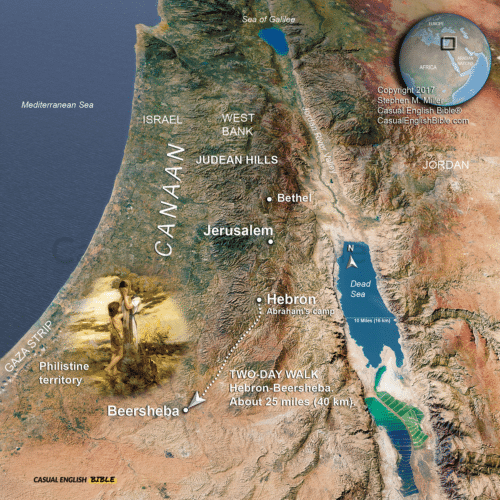
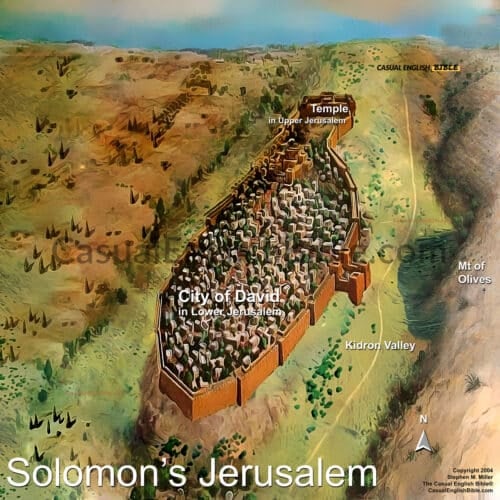
2 Chronicles 24:1-16 1By the time seven-year-old Joash became king of Judah, King Jehu was into his seventh year of ruling Israel. Joash reigned for an entire generation, 40 years. [1] His mother was Zibiah, [2] from Beersheba. 2Joash kept on the good side of the LORD because the priest Jehoiada taught him the laws to live by. 4Joash told the priests, “I want you to take some silver out of the Temple treasury. Take it from the donations people bring on their own and from the individual taxes they have to pay. 5Then use that money to repair anything that needs fixing at the Temple.” [3] King withholds priests salaries
6The priests ignored him and did nothing until his 23rd year as king. 7That’s when he called in Jehoiada and some other priests to give them a royal nudge. He said, “Why aren’t you repairing the Temple. Here’s another thing you’re not going to do. You’re not going to accept any more personal donations. Instead, you’re going to hand it over as your contribution to the Temple building fund.”
8The priests agreed to the king’s fundraising plan. They wouldn’t accept any more silver. They would add it directly to the building fund. 9Priest Jehoiada had a chest built with a hole in the top for donations. Whenever someone brought a gift of silver to the Temple, priests who served as guards at the steps into the Temple dropped the silver in the chest. Priests pay builders in silver bricks
10When the chest filled up, the high priest and the king’s secretary took the silver and had it melted into bricks, which they counted.
11Then they distributed those ingots of silver to the foremen of the Temple workers, as salary. The foremen gave the money to their carpenters and other workers. 12Other workers included stonecutters, masons, and brokers who bought the lumber and stone that the construction workers needed to finish repairing the LORD’s Temple.
13Priests didn’t use any of that silver for new utensils and furnishings that were needed inside the Temple. And they didn’t use the silver to make silver bowls, lamp snuffers to turn off the lights, trumpets, or anything else made of silver and gold. 14All the donations went directly to the workers.
15After workers got their hands on it, the priests and the royal officials agreed they didn’t need to follow the money trail. That’s because the workers were honest. 16The only silver that the priests got to keep were the donations people brought to atone for their sins, when silver accompanied their sin offerings. [4] Judah’s king buys his way out of a war
17About that time, King Hazael of Syria invaded the land along the coast and took the town of Gath. Then he decided to take Jerusalem, too.
18Judah’s King Joash bought him off. He loaded up a wealth of valuables and gifts that Judah’s kings had accumulated over the years. These came from the reigns of Jehoshaphat, Jehoram, Ahaziah, and kings before them as well. He added his own valuables and gifts. He also threw in all the gold from the Temple treasury. He sent them out to King Hazael, who called off the attack and went home.
19The rest of Joash’s story and everything he accomplished are preserved in the History of Judah’s Kings. Royal servants kill their king
20Some of Joash’s officers and servants plotted an assassination. They killed him at the house built on fill dirt, [5] near the road to Silla. [6] 21The king-killers were two of his trusted servants: Jozacar son of Shimeath and Jehozabad son of Shomer. The king was buried with his family in the City of David. [7] His son Amaziah became Judah’s next king.
Related maps
1By the time seven-year-old Joash became king of Judah, King Jehu was into his seventh year of ruling Israel. Joash reigned for an entire generation, 40 years. [1] His mother was Zibiah, [2] from Beersheba. 2Joash kept on the good side of the LORD because the priest Jehoiada taught him the laws to live by. 4Joash told the priests, “I want you to take some silver out of the Temple treasury. Take it from the donations people bring on their own and from the individual taxes they have to pay. 5Then use that money to repair anything that needs fixing at the Temple.” [3]
8The priests agreed to the king’s fundraising plan. They wouldn’t accept any more silver. They would add it directly to the building fund. 9Priest Jehoiada had a chest built with a hole in the top for donations. Whenever someone brought a gift of silver to the Temple, priests who served as guards at the steps into the Temple dropped the silver in the chest.
11Then they distributed those ingots of silver to the foremen of the Temple workers, as salary. The foremen gave the money to their carpenters and other workers. 12Other workers included stonecutters, masons, and brokers who bought the lumber and stone that the construction workers needed to finish repairing the LORD’s Temple.
13Priests didn’t use any of that silver for new utensils and furnishings that were needed inside the Temple. And they didn’t use the silver to make silver bowls, lamp snuffers to turn off the lights, trumpets, or anything else made of silver and gold. 14All the donations went directly to the workers.
15After workers got their hands on it, the priests and the royal officials agreed they didn’t need to follow the money trail. That’s because the workers were honest. 16The only silver that the priests got to keep were the donations people brought to atone for their sins, when silver accompanied their sin offerings. [4]
18Judah’s King Joash bought him off. He loaded up a wealth of valuables and gifts that Judah’s kings had accumulated over the years. These came from the reigns of Jehoshaphat, Jehoram, Ahaziah, and kings before them as well. He added his own valuables and gifts. He also threw in all the gold from the Temple treasury. He sent them out to King Hazael, who called off the attack and went home.
19The rest of Joash’s story and everything he accomplished are preserved in the History of Judah’s Kings.
King withholds priests salaries
6The priests ignored him and did nothing until his 23rd year as king. 7That’s when he called in Jehoiada and some other priests to give them a royal nudge. He said, “Why aren’t you repairing the Temple. Here’s another thing you’re not going to do. You’re not going to accept any more personal donations. Instead, you’re going to hand it over as your contribution to the Temple building fund.”8The priests agreed to the king’s fundraising plan. They wouldn’t accept any more silver. They would add it directly to the building fund. 9Priest Jehoiada had a chest built with a hole in the top for donations. Whenever someone brought a gift of silver to the Temple, priests who served as guards at the steps into the Temple dropped the silver in the chest.
Priests pay builders in silver bricks
10When the chest filled up, the high priest and the king’s secretary took the silver and had it melted into bricks, which they counted.11Then they distributed those ingots of silver to the foremen of the Temple workers, as salary. The foremen gave the money to their carpenters and other workers. 12Other workers included stonecutters, masons, and brokers who bought the lumber and stone that the construction workers needed to finish repairing the LORD’s Temple.
13Priests didn’t use any of that silver for new utensils and furnishings that were needed inside the Temple. And they didn’t use the silver to make silver bowls, lamp snuffers to turn off the lights, trumpets, or anything else made of silver and gold. 14All the donations went directly to the workers.
15After workers got their hands on it, the priests and the royal officials agreed they didn’t need to follow the money trail. That’s because the workers were honest. 16The only silver that the priests got to keep were the donations people brought to atone for their sins, when silver accompanied their sin offerings. [4]
Judah’s king buys his way out of a war
17About that time, King Hazael of Syria invaded the land along the coast and took the town of Gath. Then he decided to take Jerusalem, too.18Judah’s King Joash bought him off. He loaded up a wealth of valuables and gifts that Judah’s kings had accumulated over the years. These came from the reigns of Jehoshaphat, Jehoram, Ahaziah, and kings before them as well. He added his own valuables and gifts. He also threw in all the gold from the Temple treasury. He sent them out to King Hazael, who called off the attack and went home.
19The rest of Joash’s story and everything he accomplished are preserved in the History of Judah’s Kings.