Josiah resurrects Passover
2 Kings 23:21-23 1Josiah celebrated Passover [1] at the next opportunity. Passover comes once a year, starting on the fifteenth day of the first month on the Hebrew calendar. [2] But on the fourteenth, people slaughtered the Passover lambs for the next day’s family meals.
2Josiah assigned priests to various ministries at the Temple. Then he encouraged them about the work ahead. King’s instructions to Levite associates of priests
3As for their Levite associates who had the job of transporting the Box of the Law, [3] he told them,
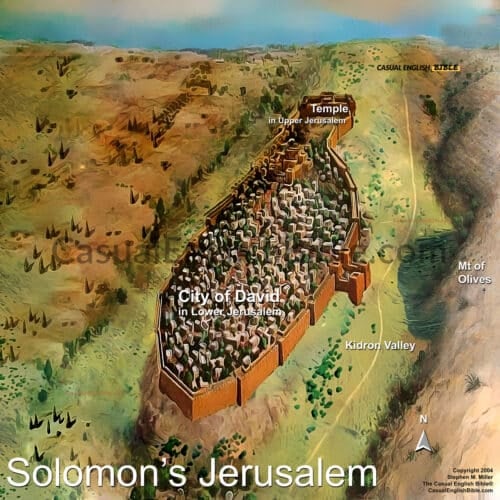
“You don’t have to do that anymore. Put the holy chest inside the Temple that King David’s son Solomon built. You no longer have to tote it on your shoulders from one place to another. From now on, you’re free to serve the LORD and the people in other ways.
4Get yourselves organized by your family groups and follow the written instructions of our former kings, David and his son Solomon. [4] 5Take your place at the Temple. Set up in your family groups—one group representing each clan of Levite associates. We’ll need a group of you for each family that comes for Passover.
6Spiritually purify yourselves and prepare yourselves for the work. [5] Slaughter the Passover lambs [6] and prepare them for the people who brought them. When you do this, carefully follow the instructions that the LORD gave Moses.” Josiah brings the meat
7Josiah donated, from his own livestock, 300 bulls and 30,000 sheep and goats for Levites to use as Passover sacrifices.
8Some of his top officials donated livestock as well.
Hilkiah, Zechariah, and Jehiel led the priests. And they donated to the priests 300 bulls and 2,600 lambs and grown sheep.
9Levite leaders were Conaniah, his two brothers Shemaiah and Nethanel, along with Hashabiah, Jeiel, and Jozabad. They gave the Levites 500 bulls and 5,000 sheep and goats. Temple slaughterhouse
10Priests and Levites took their posts at the Temple, just as the king had directed. Everything at the Temple was ready to begin sacrificing Passover lambs.
11Levites started slaughtering the lambs. Then priests splashed some blood from each lamb on the altar, while Levites began skinning the animals. 12Levites cut away parts of the lamb meat that family groups of clans would burn together in a sacrifice to honor the LORD, as the laws of Moses required. [7] They did the same with the bulls.
13Then Levites barbecued the lambs over a fire, as the law ordered. But when it came to the sacred parts intended as offerings, they boiled [8] them in pots and pans. When the roasted lambs were cooked, Levites quickly brought them to the families to eat.
14After Levites had served all the families who came for the Passover meal, they slaughtered lambs for the priests and for themselves. Levites did all the work on this because priests were busy from morning until night, burning the sacrifices and the offerings of fat.
15Long ago, King David, Asaph, Heman, and Jeduthun the king’s prophet organized the Temple music ministry. So, the Passover musicians took their positions, as instructed. The Temple guards were able to stay on duty by the gates into the Temple courtyard because Levites prepared Passover lambs for them, too.
16So, the people working together were able to celebrate Passover and offer sacrifices at the Temple altar, just as King Josiah had ordered. 17The people who had come to Jerusalem for the Passover also observed the weeklong Festival of Yeast-free Bread. [9]
18There hadn’t been a full-meal-deal Passover celebration like this since the time of the prophet Samuel—before Israel had a king. Not a single king in all of Israel’s history celebrated a Passover as magnificently as Josiah did. Everyone was there: priests, Levites, citizens of Jerusalem, and the scattered people of Judah and Israel.
19Josiah celebrated this first Passover 18 years into his reign. Josiah dies in battle
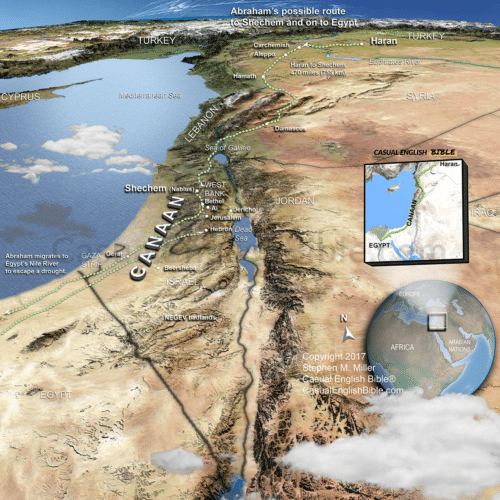
2 Kings 23:28-30 20Later, after Josiah finished all the repair work on the Temple, Egypt’s King Neco led his army on a march north, through Israel. They were on their way to fight a battle at the town of Carchemish, [10] near the Euphrates River. Josiah went out to stop him.
21Neco sent a courier with this message for Josiah. “What are you doing? This isn’t about you, the king of Judah. I’m not here to fight with you. I’m headed to war. And God said I need to hurry. Don’t get in God’s way. If you do, he’ll take you down.”
22Josiah wouldn’t listen. Instead, he changed out of his royal clothes and disguised himself as a common soldier so he could join the battle. He ignored the words God had given Neco. He engaged the Egyptian army in the plains below the fortress of Megiddo. [11]
23Egyptian archers hit Josiah. He told the men with him, “Get me out of here! I’m hit! It’s bad!”
24They moved him from his war chariot to another chariot and rushed him back to Jerusalem, where he died. The people buried him where his ancestors were buried. People of Jerusalem and throughout Judah mourned his death. Songs sung blue for Josiah
25Jeremiah wrote the blues for Josiah—songs of laments that became a tradition people still practice today. [12] All the singers, men and women alike, honored his memory with the music. And it’s still the custom. The songs are written in The Book of Funeral Songs.
Related maps
1Josiah celebrated Passover [1] at the next opportunity. Passover comes once a year, starting on the fifteenth day of the first month on the Hebrew calendar. [2] But on the fourteenth, people slaughtered the Passover lambs for the next day’s family meals.
2Josiah assigned priests to various ministries at the Temple. Then he encouraged them about the work ahead.
6Spiritually purify yourselves and prepare yourselves for the work. [5] Slaughter the Passover lambs [6] and prepare them for the people who brought them. When you do this, carefully follow the instructions that the LORD gave Moses.”
8Some of his top officials donated livestock as well.
Hilkiah, Zechariah, and Jehiel led the priests. And they donated to the priests 300 bulls and 2,600 lambs and grown sheep.
9Levite leaders were Conaniah, his two brothers Shemaiah and Nethanel, along with Hashabiah, Jeiel, and Jozabad. They gave the Levites 500 bulls and 5,000 sheep and goats.
11Levites started slaughtering the lambs. Then priests splashed some blood from each lamb on the altar, while Levites began skinning the animals. 12Levites cut away parts of the lamb meat that family groups of clans would burn together in a sacrifice to honor the LORD, as the laws of Moses required. [7] They did the same with the bulls.
13Then Levites barbecued the lambs over a fire, as the law ordered. But when it came to the sacred parts intended as offerings, they boiled [8] them in pots and pans. When the roasted lambs were cooked, Levites quickly brought them to the families to eat.
14After Levites had served all the families who came for the Passover meal, they slaughtered lambs for the priests and for themselves. Levites did all the work on this because priests were busy from morning until night, burning the sacrifices and the offerings of fat.
15Long ago, King David, Asaph, Heman, and Jeduthun the king’s prophet organized the Temple music ministry. So, the Passover musicians took their positions, as instructed. The Temple guards were able to stay on duty by the gates into the Temple courtyard because Levites prepared Passover lambs for them, too.
16So, the people working together were able to celebrate Passover and offer sacrifices at the Temple altar, just as King Josiah had ordered. 17The people who had come to Jerusalem for the Passover also observed the weeklong Festival of Yeast-free Bread. [9]
18There hadn’t been a full-meal-deal Passover celebration like this since the time of the prophet Samuel—before Israel had a king. Not a single king in all of Israel’s history celebrated a Passover as magnificently as Josiah did. Everyone was there: priests, Levites, citizens of Jerusalem, and the scattered people of Judah and Israel.
19Josiah celebrated this first Passover 18 years into his reign.Josiah dies in battle
2Josiah assigned priests to various ministries at the Temple. Then he encouraged them about the work ahead.
King’s instructions to Levite associates of priests
3As for their Levite associates who had the job of transporting the Box of the Law, [3] he told them,“You don’t have to do that anymore. Put the holy chest inside the Temple that King David’s son Solomon built. You no longer have to tote it on your shoulders from one place to another. From now on, you’re free to serve the LORD and the people in other ways.
6Spiritually purify yourselves and prepare yourselves for the work. [5] Slaughter the Passover lambs [6] and prepare them for the people who brought them. When you do this, carefully follow the instructions that the LORD gave Moses.”
Josiah brings the meat
7Josiah donated, from his own livestock, 300 bulls and 30,000 sheep and goats for Levites to use as Passover sacrifices.8Some of his top officials donated livestock as well.
Hilkiah, Zechariah, and Jehiel led the priests. And they donated to the priests 300 bulls and 2,600 lambs and grown sheep.
9Levite leaders were Conaniah, his two brothers Shemaiah and Nethanel, along with Hashabiah, Jeiel, and Jozabad. They gave the Levites 500 bulls and 5,000 sheep and goats.
Temple slaughterhouse
10Priests and Levites took their posts at the Temple, just as the king had directed. Everything at the Temple was ready to begin sacrificing Passover lambs.11Levites started slaughtering the lambs. Then priests splashed some blood from each lamb on the altar, while Levites began skinning the animals. 12Levites cut away parts of the lamb meat that family groups of clans would burn together in a sacrifice to honor the LORD, as the laws of Moses required. [7] They did the same with the bulls.
13Then Levites barbecued the lambs over a fire, as the law ordered. But when it came to the sacred parts intended as offerings, they boiled [8] them in pots and pans. When the roasted lambs were cooked, Levites quickly brought them to the families to eat.
14After Levites had served all the families who came for the Passover meal, they slaughtered lambs for the priests and for themselves. Levites did all the work on this because priests were busy from morning until night, burning the sacrifices and the offerings of fat.
15Long ago, King David, Asaph, Heman, and Jeduthun the king’s prophet organized the Temple music ministry. So, the Passover musicians took their positions, as instructed. The Temple guards were able to stay on duty by the gates into the Temple courtyard because Levites prepared Passover lambs for them, too.
16So, the people working together were able to celebrate Passover and offer sacrifices at the Temple altar, just as King Josiah had ordered. 17The people who had come to Jerusalem for the Passover also observed the weeklong Festival of Yeast-free Bread. [9]
18There hadn’t been a full-meal-deal Passover celebration like this since the time of the prophet Samuel—before Israel had a king. Not a single king in all of Israel’s history celebrated a Passover as magnificently as Josiah did. Everyone was there: priests, Levites, citizens of Jerusalem, and the scattered people of Judah and Israel.
19Josiah celebrated this first Passover 18 years into his reign.
Josiah dies in battle
2 Kings 23:28-30 20Later, after Josiah finished all the repair work on the Temple, Egypt’s King Neco led his army on a march north, through Israel. They were on their way to fight a battle at the town of Carchemish, [10] near the Euphrates River. Josiah went out to stop him.
21Neco sent a courier with this message for Josiah. “What are you doing? This isn’t about you, the king of Judah. I’m not here to fight with you. I’m headed to war. And God said I need to hurry. Don’t get in God’s way. If you do, he’ll take you down.”
22Josiah wouldn’t listen. Instead, he changed out of his royal clothes and disguised himself as a common soldier so he could join the battle. He ignored the words God had given Neco. He engaged the Egyptian army in the plains below the fortress of Megiddo. [11]
23Egyptian archers hit Josiah. He told the men with him, “Get me out of here! I’m hit! It’s bad!”
24They moved him from his war chariot to another chariot and rushed him back to Jerusalem, where he died. The people buried him where his ancestors were buried. People of Jerusalem and throughout Judah mourned his death. Songs sung blue for Josiah
25Jeremiah wrote the blues for Josiah—songs of laments that became a tradition people still practice today. [12] All the singers, men and women alike, honored his memory with the music. And it’s still the custom. The songs are written in The Book of Funeral Songs.
Related maps
20Later, after Josiah finished all the repair work on the Temple, Egypt’s King Neco led his army on a march north, through Israel. They were on their way to fight a battle at the town of Carchemish, [10] near the Euphrates River. Josiah went out to stop him.
21Neco sent a courier with this message for Josiah. “What are you doing? This isn’t about you, the king of Judah. I’m not here to fight with you. I’m headed to war. And God said I need to hurry. Don’t get in God’s way. If you do, he’ll take you down.”
22Josiah wouldn’t listen. Instead, he changed out of his royal clothes and disguised himself as a common soldier so he could join the battle. He ignored the words God had given Neco. He engaged the Egyptian army in the plains below the fortress of Megiddo. [11]
23Egyptian archers hit Josiah. He told the men with him, “Get me out of here! I’m hit! It’s bad!”
24They moved him from his war chariot to another chariot and rushed him back to Jerusalem, where he died. The people buried him where his ancestors were buried. People of Jerusalem and throughout Judah mourned his death.
21Neco sent a courier with this message for Josiah. “What are you doing? This isn’t about you, the king of Judah. I’m not here to fight with you. I’m headed to war. And God said I need to hurry. Don’t get in God’s way. If you do, he’ll take you down.”
22Josiah wouldn’t listen. Instead, he changed out of his royal clothes and disguised himself as a common soldier so he could join the battle. He ignored the words God had given Neco. He engaged the Egyptian army in the plains below the fortress of Megiddo. [11]
23Egyptian archers hit Josiah. He told the men with him, “Get me out of here! I’m hit! It’s bad!”
24They moved him from his war chariot to another chariot and rushed him back to Jerusalem, where he died. The people buried him where his ancestors were buried. People of Jerusalem and throughout Judah mourned his death.