Invitation to a late Passover
1It was too late to celebrate Passover. But Hezekiah spread the word that he was going to do it anyhow.He sent messages throughout the kingdom, including to the distant tribes of Ephraim and Manasseh. He invited everyone to the annual celebration of Passover in Jerusalem, as the LORD God of Israel had instructed his people long ago. 2Now that the Temple was open again, the king and his officials and the citizens of Jerusalem agreed to celebrate the Passover in the second month [1] instead of the first. 3They couldn’t celebrate it on time because they didn’t have enough ritually clean priests. [2] Besides, the people hadn’t yet come to Jerusalem for Passover. [3]
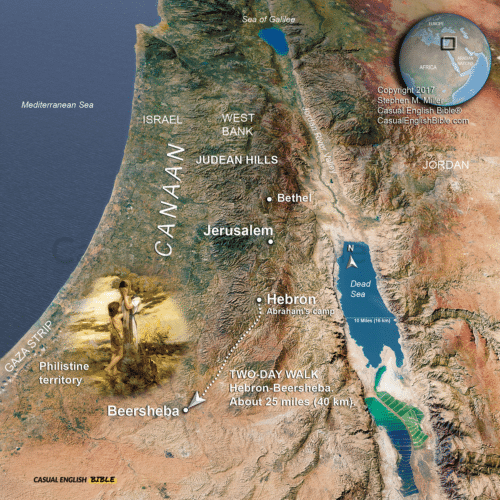
4Passover, even if a month late, seemed like a good idea to the king and the others. 5So the king decreed that for this one year, they would celebrate Passover in the second month. He sent the decree to people as far north as the mountain foothill town of Dan and as far south as the desert town of Beersheba. This was at a time when people had stopped observing Passover in large numbers because the Temple was closed.
Hezekiah’s letter to God’s people
6The king sent messengers from town to town delivering this message:“People of Israel, come back to the LORD the God of Abraham, Isaac, and Jacob. [4] Do this so he can come back to those of you who survived the Assyrians. [5]
7Don't follow the example of your ancestors anymore. They were godless. They turned their back on the LORD God of their ancestors. That's why He decimated them. 8Don't be stubborn about this, like they were. Devote yourself to the LORD. Come to his house, this Temple that is a holy place. Obey the LORD your God. Don’t give him reason to be angry with you anymore. 9If you come back to the LORD, enemies who hold your families captive will finally begin to show compassion toward them and let them come home. [6] The Lord God is merciful in that way. If you return to him, he will welcome you back.” 10The king's messengers traveled from city to city throughout the northern tribal lands of Ephraim and Manasseh and as far north as the tribe of Zebulun. But the people simply laughed and insulted them. 11But a few came to Jerusalem from the tribes of Asher, Manasseh, and Zebulun.12The tribe of Judah was united behind the king and his officials. They all supported the Passover plan. God made sure of it.
Crowds return for Passover
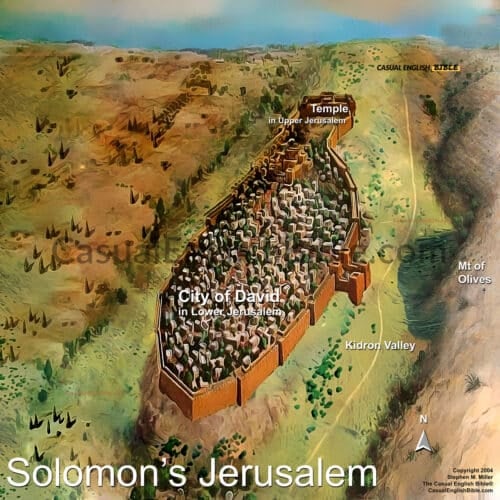
13A huge crowd of people met in Jerusalem to celebrate the Festival of the Yeast-free Bread [7] during the second month of the year.14When they got to Jerusalem they saw pagan shrines and altars in Jerusalem. They tore them apart and dumped them in the Kidron Valley. [8]
15The people, not the priests, killed their Passover lambs on the 14th day of the second month. Priests and Levites became ashamed of themselves. So they went through the purification rituals and brought their own burnt offerings [9] to the Temple to atone for their sins. 16Priests and Levites then assumed their duties, as required by the law of Moses. Levites gave some of each animal’s blood to the priests, and the priests splashed it on the altar.
17Normally, the people slaughtered their own Passover lambs. But many had come ritually unclean, which meant they weren’t allowed to do it. So Levites stepped up to slaughter the lambs for those folks. That kept the sacrifice holy.
God accepts “unclean” worshipers
18A lot of the people remained ritually unclean, especially those who came from the distant tribes of Ephraim, Manasseh, Issachar, and Zebulun. They ate the Passover meal even though they shouldn’t have while they were unclean. Hezekiah prayed for them. He said, “May the good LORD forgive them all. 19They aren’t in line with our laws about ritual cleansing, but they have come here looking for the LORD and God of their ancestors.”20The LORD was listening. And he accepted the people as they were, receiving them as cleansed. [10]
21The people in Jerusalem spent a happy seven days celebrating the Festival of Yeast-free Bread. Priests and Levites along with the Temple musicians praised God each day. The music was loud and joyful.
22Hezekiah complimented the Levites who did good work for the LORD during that week. The people ate during the weeklong festival, sacrificing peace offerings [11] and thanking God for all that was happening.
Two weeks of celebration
23The crowd enjoyed their time together so much that they extended the celebration for another week. [12]24Hezekiah donated 1,000 bulls and 7,000 sheep for the people to sacrifice and then eat. Some of Judah’s officials added another 1,000 bulls and 10,000 sheep. Many more priests cleansed themselves so they could perform their duties during the continuing celebration.
25This was a time when everyone in Judah seemed happy: priests, their Levite associates, citizens, people from what had been the northern kingdom of Israel, [13] and foreigners living in the land. 26The people in Jerusalem hadn’t been this happy since the time King David’s son, Solomon, built the Temple.
27Priests and Levites prayed for the people, offering blessings [14] of hope and encouragement. God heard it all and approved this message.