Ahaz, new king of Judah
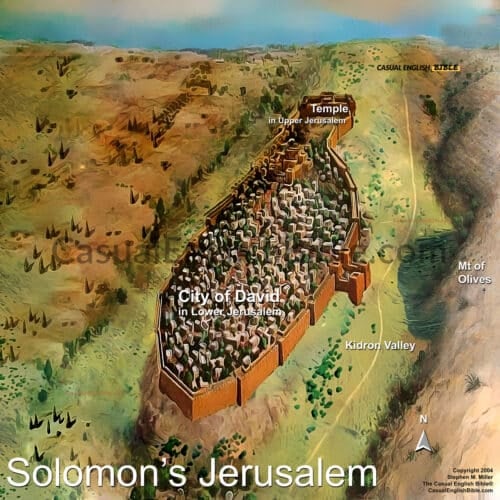
2 Chronicles 28:1-27 1King Jotham’s son, Ahaz, became the next king of Judah. By then, King Pekah was into his 17th year of ruling Israel. Pekah was a son of Remaliah. 2Ahaz was 20 years old when he became king. He lived in Judah’s capital city of Jerusalem. He was not a good king in God’s eyes. He didn’t follow in the footsteps of his ancestor, David, who obeyed the LORD.
3Ahaz lived like the idol-worshiping kings of Israel. He even burned his son as a sacrifice, [1] which is despicable to God. Other nations used to do that, too, but God drove them off the land. 4Ahaz sacrificed at shrines set up on hilltops and under shade trees in the valleys.
5Syria’s King Rezin joined forces with Israel’s King Pekah to attack Jerusalem. But they couldn’t get past Ahaz’s defenses. 6During that campaign, Syria’s King Rezin overran Judah’s town of Elath and returned it to the nation of Edom. It once belonged to Edom, and now it does again. Jerusalem to Assyria: Rescue us
7Judah’s King Ahaz sent an urgent message to the Assyrian King Tiglath-pileser: “I am under attack by two armies. Syria’s king has united with Israel’s king in a campaign against Judah. I have served you as a son would. Please come and rescue me.” 8Ahaz collected all the silver and gold in the treasuries of the Temple and the palace and sent it to Assyria’s king.
9Assyria’s army captured Damascus, capital of Syria. They killed King Rezin and banished the captives to the territory of Kir. [2] Ahaz wants a Syrian altar
10When Ahaz went to Damascus to thank Assyria’s King Tiglath-pileser, he saw a sacrificial altar he liked. He had an exact model made of it and he sent the model back to Jerusalem, to a priest named Uriah. 11The priest used the model to replicate the full-sized altar in Damascus. It was finished by the time Ahaz got back from his trip.
12The king liked what he saw. So, he used it right away. 13He presented several offerings: burnt, grain, and wine. [3] He splashed [4] the blood of the sacrificed animal onto the sides of the altar. 14The king then decided to give the Temple worship area a makeover. He had the bronze altar moved to the north. He put his new altar in the center area. King’s part-time altar
15King Ahaz told the priest to use this altar for all the main sacrifices of each day. He said, “From now on, I want you to use this altar every morning for the burnt offering and every evening for the grain offering. Do the same for the king’s daily offerings. And do it for those offerings you make each day for the people of our nation. Sprinkle the blood on it, too. As for the old, bronze altar, I’ll use it to consult God.” 16Uriah followed the king’s orders.
17The king had the massive bronze bowl called the Sea lifted off its pedestal, the backs of a dozen bronze bulls. [5] He placed the Sea on a stone base. [6] 18He removed the Sabbath Room [7] built into the palace. He also removed the canopy leading from the palace to the Temple, a special entrance for the king. He made these changes to accommodate the king of Assyria. [8]
19The rest of Ahaz’s story is available in the History of Judah’s Kings. 20Ahaz died and was buried with his ancestors in the City of David. His son, Hezekiah, became the next king of Judah.
Related maps
1King Jotham’s son, Ahaz, became the next king of Judah. By then, King Pekah was into his 17th year of ruling Israel. Pekah was a son of Remaliah. 2Ahaz was 20 years old when he became king. He lived in Judah’s capital city of Jerusalem. He was not a good king in God’s eyes. He didn’t follow in the footsteps of his ancestor, David, who obeyed the LORD.
3Ahaz lived like the idol-worshiping kings of Israel. He even burned his son as a sacrifice, [1] which is despicable to God. Other nations used to do that, too, but God drove them off the land. 4Ahaz sacrificed at shrines set up on hilltops and under shade trees in the valleys.
5Syria’s King Rezin joined forces with Israel’s King Pekah to attack Jerusalem. But they couldn’t get past Ahaz’s defenses. 6During that campaign, Syria’s King Rezin overran Judah’s town of Elath and returned it to the nation of Edom. It once belonged to Edom, and now it does again.
9Assyria’s army captured Damascus, capital of Syria. They killed King Rezin and banished the captives to the territory of Kir. [2]
12The king liked what he saw. So, he used it right away. 13He presented several offerings: burnt, grain, and wine. [3] He splashed [4] the blood of the sacrificed animal onto the sides of the altar. 14The king then decided to give the Temple worship area a makeover. He had the bronze altar moved to the north. He put his new altar in the center area.
17The king had the massive bronze bowl called the Sea lifted off its pedestal, the backs of a dozen bronze bulls. [5] He placed the Sea on a stone base. [6] 18He removed the Sabbath Room [7] built into the palace. He also removed the canopy leading from the palace to the Temple, a special entrance for the king. He made these changes to accommodate the king of Assyria. [8]
19The rest of Ahaz’s story is available in the History of Judah’s Kings. 20Ahaz died and was buried with his ancestors in the City of David. His son, Hezekiah, became the next king of Judah.
3Ahaz lived like the idol-worshiping kings of Israel. He even burned his son as a sacrifice, [1] which is despicable to God. Other nations used to do that, too, but God drove them off the land. 4Ahaz sacrificed at shrines set up on hilltops and under shade trees in the valleys.
5Syria’s King Rezin joined forces with Israel’s King Pekah to attack Jerusalem. But they couldn’t get past Ahaz’s defenses. 6During that campaign, Syria’s King Rezin overran Judah’s town of Elath and returned it to the nation of Edom. It once belonged to Edom, and now it does again.
Jerusalem to Assyria: Rescue us
7Judah’s King Ahaz sent an urgent message to the Assyrian King Tiglath-pileser: “I am under attack by two armies. Syria’s king has united with Israel’s king in a campaign against Judah. I have served you as a son would. Please come and rescue me.” 8Ahaz collected all the silver and gold in the treasuries of the Temple and the palace and sent it to Assyria’s king.9Assyria’s army captured Damascus, capital of Syria. They killed King Rezin and banished the captives to the territory of Kir. [2]
Ahaz wants a Syrian altar
10When Ahaz went to Damascus to thank Assyria’s King Tiglath-pileser, he saw a sacrificial altar he liked. He had an exact model made of it and he sent the model back to Jerusalem, to a priest named Uriah. 11The priest used the model to replicate the full-sized altar in Damascus. It was finished by the time Ahaz got back from his trip.12The king liked what he saw. So, he used it right away. 13He presented several offerings: burnt, grain, and wine. [3] He splashed [4] the blood of the sacrificed animal onto the sides of the altar. 14The king then decided to give the Temple worship area a makeover. He had the bronze altar moved to the north. He put his new altar in the center area.
King’s part-time altar
15King Ahaz told the priest to use this altar for all the main sacrifices of each day. He said, “From now on, I want you to use this altar every morning for the burnt offering and every evening for the grain offering. Do the same for the king’s daily offerings. And do it for those offerings you make each day for the people of our nation. Sprinkle the blood on it, too. As for the old, bronze altar, I’ll use it to consult God.” 16Uriah followed the king’s orders.17The king had the massive bronze bowl called the Sea lifted off its pedestal, the backs of a dozen bronze bulls. [5] He placed the Sea on a stone base. [6] 18He removed the Sabbath Room [7] built into the palace. He also removed the canopy leading from the palace to the Temple, a special entrance for the king. He made these changes to accommodate the king of Assyria. [8]
19The rest of Ahaz’s story is available in the History of Judah’s Kings. 20Ahaz died and was buried with his ancestors in the City of David. His son, Hezekiah, became the next king of Judah.