

Bad boy King Ahaz
2 Kings 16:1-4 1Ahaz was 20 years old when he became king. He lived in Judah’s capital city of Jerusalem and reigned for 16 years. He was not a good king in God’s eyes. He didn’t follow in the footsteps of his ancestor, David, who obeyed the LORD.
2Ahaz lived like the idol-worshiping kings of Israel. He even made idols of Baal. [1] 3He even burned his sons as a sacrifice, [2] which is despicable to God. Other nations used to do that, too, but God drove them off the land.
4Ahaz sacrificed at shrines set up on hilltops and under shade trees in the valleys. Tag team: Syria and Israel defeat Judah
2 Kings 16:5-6 5For these sins, God let Syria and Israel attack Judah. Syrians took many captives back to Damascus as slaves. The invaders slaughtered many others. 6In a single day, the army of Israel’s King Pekah, son of Remaliah, killed 120,000 brave Judean warriors. Judah lost that battle because they had turned their backs on the God of their ancestors.
7A man named Zichri, a strong soldier from Ephraim’s tribe in Israel, killed the son of Judah’s king, the palace chief of staff, and the king’s second in command. The three were prince Maaseiah, chief of staff Azrikam, and Elkanah. Prophet condemns Jews enslaving Jews
8Soldiers of Israel captured 200,000 women and children and took them back to their capital city of Samaria. They also took valuables they looted from families they killed or captured.
9But a prophet named Oded [3] met the soldiers as they returned with their captives. He told them, “The God of your ancestors let you defeat Judah because they had sinned so much that it made him angry. But you viciously crushed them in a rage. It was way over the top. God saw it. 10Now you intend to take control of Jerusalem and Judah, turning the people into a nation of slaves. Now you are as sinful as they are. Way to go. 11Listen to me. These captives are your fellow Israelites. Send them home because God is angry about what you’ve done.”
12Then along came four leaders of Israel: Azariah son of Johanan, Berechiah son of Meshillemoth, Jehizkiah son of Shallum, and Amasa son of Hadlai. They condemned the war. 13They said, “What do you think you’re doing? You can’t bring Israelites here as slaves. [4] It’s against our ancient laws. We’re already in trouble with God because of what you’ve done.”
14So the soldiers released the captives and the looted valuables into the care of the officials and the crowd that had gathered.
15The four leaders who had spoken out took the captives and used the looted valuables to pay for clothes and sandals for the naked captives. They also used it to buy food for the captives. The men anointed the people with olive oil [5] and led them back to the oasis town of Jericho, in Judah. [6] They used donkeys to transport the people who were unable to make the long walk. The four men then returned to Samaria. Judah invaded and Assyria won’t help
2 Kings 16:7-9 16Judah’s King Ahaz sent an urgent message to the Assyrian king, pleading for help. 17Invaders from Edom had defeated Judah and taken captives back to Edom.
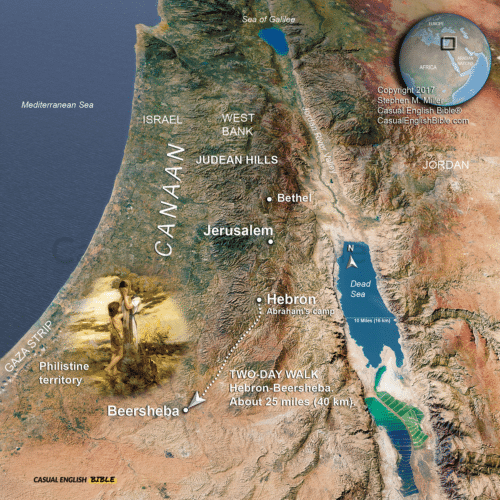
18Philistines attacked, too, raiding Judah’s cities in the Shephelah, Judah’s western foothills, along with communities in the more barren Negev southland. They also captured the towns of Beth-shemesh, Aijalon, Gederoth, Soco with its outlying villages, Timnah with its villages, and Gimzo with its villages. Philistines moved into the towns and settled there.
19The LORD did this to Judah because their king’s sinfulness was out of control. King Ahaz had zero faith in the LORD. 20So, Assyria’s King Tiglath-pileser joined the war party. Instead of strengthening Judah, he made the nation weaker.
21King Ahaz tried to change the Assyrian king’s mind by giving him valuable gifts from the treasuries of the Temple, the palace, and the homes of officials. It didn’t work. The Assyrian king refused to help Judah. King Ahaz: sin unlimited
22As Judah’s situation grew worse, King Ahaz became worse. 23He sacrificed to the Syrian gods of Damascus. He said, “Syria’s gods helped them. If I sacrifice to them, maybe they’ll help me, too.” But those gods were the death of him and the ruin of Judah.
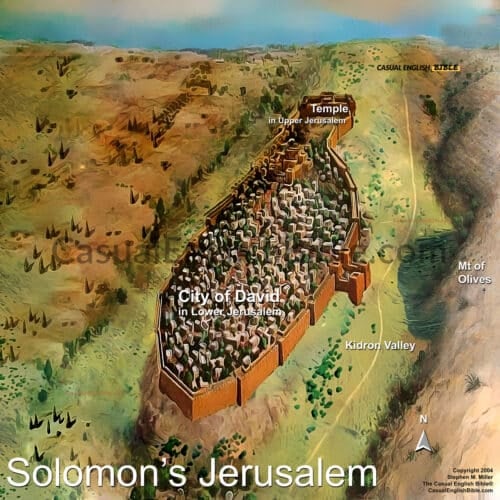
24Ahaz turned so far away from God that he closed the Jerusalem Temple—putting it out of business. He collected all the utensils inside the Temple and smashed them to pieces. Instead of allowing people to worship at the Temple, he set up pagan altars all over Jerusalem. 25He also built shrines on hilltops in every city of Judah, so people could offer sacrifices to other gods. This poked the already angry God of his ancestors.
26The rest of Ahaz’s story is available in the History of Kings of Judah and Israel. [7] 27Ahaz died and was buried with his ancestors in the City of David, but not among the tombs reserved for kings. His son, Hezekiah, became the next king of Judah.
Related maps
Help Keep the Casual English Bible®
free for Everyone
Your support helps us keep our Casual English Bible free and accessible, especially for people new to the Bible, curious non-Christians, and Christians who’ve always found it hard to understand.
This mission is 100% reader-supported. If you believe everyone deserves a Bible they can easily read and relate to, we’d love your help.
1Ahaz was 20 years old when he became king. He lived in Judah’s capital city of Jerusalem and reigned for 16 years. He was not a good king in God’s eyes. He didn’t follow in the footsteps of his ancestor, David, who obeyed the LORD.
2Ahaz lived like the idol-worshiping kings of Israel. He even made idols of Baal. [1] 3He even burned his sons as a sacrifice, [2] which is despicable to God. Other nations used to do that, too, but God drove them off the land.
4Ahaz sacrificed at shrines set up on hilltops and under shade trees in the valleys.Tag team: Syria and Israel defeat Judah
2Ahaz lived like the idol-worshiping kings of Israel. He even made idols of Baal. [1] 3He even burned his sons as a sacrifice, [2] which is despicable to God. Other nations used to do that, too, but God drove them off the land.
4Ahaz sacrificed at shrines set up on hilltops and under shade trees in the valleys.
Tag team: Syria and Israel defeat Judah
2 Kings 16:5-6 5For these sins, God let Syria and Israel attack Judah. Syrians took many captives back to Damascus as slaves. The invaders slaughtered many others. 6In a single day, the army of Israel’s King Pekah, son of Remaliah, killed 120,000 brave Judean warriors. Judah lost that battle because they had turned their backs on the God of their ancestors.
7A man named Zichri, a strong soldier from Ephraim’s tribe in Israel, killed the son of Judah’s king, the palace chief of staff, and the king’s second in command. The three were prince Maaseiah, chief of staff Azrikam, and Elkanah. Prophet condemns Jews enslaving Jews
8Soldiers of Israel captured 200,000 women and children and took them back to their capital city of Samaria. They also took valuables they looted from families they killed or captured.
9But a prophet named Oded [3] met the soldiers as they returned with their captives. He told them, “The God of your ancestors let you defeat Judah because they had sinned so much that it made him angry. But you viciously crushed them in a rage. It was way over the top. God saw it. 10Now you intend to take control of Jerusalem and Judah, turning the people into a nation of slaves. Now you are as sinful as they are. Way to go. 11Listen to me. These captives are your fellow Israelites. Send them home because God is angry about what you’ve done.”
12Then along came four leaders of Israel: Azariah son of Johanan, Berechiah son of Meshillemoth, Jehizkiah son of Shallum, and Amasa son of Hadlai. They condemned the war. 13They said, “What do you think you’re doing? You can’t bring Israelites here as slaves. [4] It’s against our ancient laws. We’re already in trouble with God because of what you’ve done.”
14So the soldiers released the captives and the looted valuables into the care of the officials and the crowd that had gathered.
15The four leaders who had spoken out took the captives and used the looted valuables to pay for clothes and sandals for the naked captives. They also used it to buy food for the captives. The men anointed the people with olive oil [5] and led them back to the oasis town of Jericho, in Judah. [6] They used donkeys to transport the people who were unable to make the long walk. The four men then returned to Samaria. Judah invaded and Assyria won’t help
2 Kings 16:7-9 16Judah’s King Ahaz sent an urgent message to the Assyrian king, pleading for help. 17Invaders from Edom had defeated Judah and taken captives back to Edom.
18Philistines attacked, too, raiding Judah’s cities in the Shephelah, Judah’s western foothills, along with communities in the more barren Negev southland. They also captured the towns of Beth-shemesh, Aijalon, Gederoth, Soco with its outlying villages, Timnah with its villages, and Gimzo with its villages. Philistines moved into the towns and settled there.
19The LORD did this to Judah because their king’s sinfulness was out of control. King Ahaz had zero faith in the LORD. 20So, Assyria’s King Tiglath-pileser joined the war party. Instead of strengthening Judah, he made the nation weaker.
21King Ahaz tried to change the Assyrian king’s mind by giving him valuable gifts from the treasuries of the Temple, the palace, and the homes of officials. It didn’t work. The Assyrian king refused to help Judah. King Ahaz: sin unlimited
22As Judah’s situation grew worse, King Ahaz became worse. 23He sacrificed to the Syrian gods of Damascus. He said, “Syria’s gods helped them. If I sacrifice to them, maybe they’ll help me, too.” But those gods were the death of him and the ruin of Judah.
24Ahaz turned so far away from God that he closed the Jerusalem Temple—putting it out of business. He collected all the utensils inside the Temple and smashed them to pieces. Instead of allowing people to worship at the Temple, he set up pagan altars all over Jerusalem. 25He also built shrines on hilltops in every city of Judah, so people could offer sacrifices to other gods. This poked the already angry God of his ancestors.
26The rest of Ahaz’s story is available in the History of Kings of Judah and Israel. [7] 27Ahaz died and was buried with his ancestors in the City of David, but not among the tombs reserved for kings. His son, Hezekiah, became the next king of Judah.
Related maps
5For these sins, God let Syria and Israel attack Judah. Syrians took many captives back to Damascus as slaves. The invaders slaughtered many others. 6In a single day, the army of Israel’s King Pekah, son of Remaliah, killed 120,000 brave Judean warriors. Judah lost that battle because they had turned their backs on the God of their ancestors.
7A man named Zichri, a strong soldier from Ephraim’s tribe in Israel, killed the son of Judah’s king, the palace chief of staff, and the king’s second in command. The three were prince Maaseiah, chief of staff Azrikam, and Elkanah.
9But a prophet named Oded [3] met the soldiers as they returned with their captives. He told them, “The God of your ancestors let you defeat Judah because they had sinned so much that it made him angry. But you viciously crushed them in a rage. It was way over the top. God saw it. 10Now you intend to take control of Jerusalem and Judah, turning the people into a nation of slaves. Now you are as sinful as they are. Way to go. 11Listen to me. These captives are your fellow Israelites. Send them home because God is angry about what you’ve done.”
12Then along came four leaders of Israel: Azariah son of Johanan, Berechiah son of Meshillemoth, Jehizkiah son of Shallum, and Amasa son of Hadlai. They condemned the war. 13They said, “What do you think you’re doing? You can’t bring Israelites here as slaves. [4] It’s against our ancient laws. We’re already in trouble with God because of what you’ve done.”
14So the soldiers released the captives and the looted valuables into the care of the officials and the crowd that had gathered.
15The four leaders who had spoken out took the captives and used the looted valuables to pay for clothes and sandals for the naked captives. They also used it to buy food for the captives. The men anointed the people with olive oil [5] and led them back to the oasis town of Jericho, in Judah. [6] They used donkeys to transport the people who were unable to make the long walk. The four men then returned to Samaria.Judah invaded and Assyria won’t help
7A man named Zichri, a strong soldier from Ephraim’s tribe in Israel, killed the son of Judah’s king, the palace chief of staff, and the king’s second in command. The three were prince Maaseiah, chief of staff Azrikam, and Elkanah.
Prophet condemns Jews enslaving Jews
8Soldiers of Israel captured 200,000 women and children and took them back to their capital city of Samaria. They also took valuables they looted from families they killed or captured.9But a prophet named Oded [3] met the soldiers as they returned with their captives. He told them, “The God of your ancestors let you defeat Judah because they had sinned so much that it made him angry. But you viciously crushed them in a rage. It was way over the top. God saw it. 10Now you intend to take control of Jerusalem and Judah, turning the people into a nation of slaves. Now you are as sinful as they are. Way to go. 11Listen to me. These captives are your fellow Israelites. Send them home because God is angry about what you’ve done.”
12Then along came four leaders of Israel: Azariah son of Johanan, Berechiah son of Meshillemoth, Jehizkiah son of Shallum, and Amasa son of Hadlai. They condemned the war. 13They said, “What do you think you’re doing? You can’t bring Israelites here as slaves. [4] It’s against our ancient laws. We’re already in trouble with God because of what you’ve done.”
14So the soldiers released the captives and the looted valuables into the care of the officials and the crowd that had gathered.
15The four leaders who had spoken out took the captives and used the looted valuables to pay for clothes and sandals for the naked captives. They also used it to buy food for the captives. The men anointed the people with olive oil [5] and led them back to the oasis town of Jericho, in Judah. [6] They used donkeys to transport the people who were unable to make the long walk. The four men then returned to Samaria.
Judah invaded and Assyria won’t help
2 Kings 16:7-9 16Judah’s King Ahaz sent an urgent message to the Assyrian king, pleading for help. 17Invaders from Edom had defeated Judah and taken captives back to Edom.
18Philistines attacked, too, raiding Judah’s cities in the Shephelah, Judah’s western foothills, along with communities in the more barren Negev southland. They also captured the towns of Beth-shemesh, Aijalon, Gederoth, Soco with its outlying villages, Timnah with its villages, and Gimzo with its villages. Philistines moved into the towns and settled there.
19The LORD did this to Judah because their king’s sinfulness was out of control. King Ahaz had zero faith in the LORD. 20So, Assyria’s King Tiglath-pileser joined the war party. Instead of strengthening Judah, he made the nation weaker.
21King Ahaz tried to change the Assyrian king’s mind by giving him valuable gifts from the treasuries of the Temple, the palace, and the homes of officials. It didn’t work. The Assyrian king refused to help Judah. King Ahaz: sin unlimited
22As Judah’s situation grew worse, King Ahaz became worse. 23He sacrificed to the Syrian gods of Damascus. He said, “Syria’s gods helped them. If I sacrifice to them, maybe they’ll help me, too.” But those gods were the death of him and the ruin of Judah.
24Ahaz turned so far away from God that he closed the Jerusalem Temple—putting it out of business. He collected all the utensils inside the Temple and smashed them to pieces. Instead of allowing people to worship at the Temple, he set up pagan altars all over Jerusalem. 25He also built shrines on hilltops in every city of Judah, so people could offer sacrifices to other gods. This poked the already angry God of his ancestors.
26The rest of Ahaz’s story is available in the History of Kings of Judah and Israel. [7] 27Ahaz died and was buried with his ancestors in the City of David, but not among the tombs reserved for kings. His son, Hezekiah, became the next king of Judah.
Related maps
16Judah’s King Ahaz sent an urgent message to the Assyrian king, pleading for help. 17Invaders from Edom had defeated Judah and taken captives back to Edom.
18Philistines attacked, too, raiding Judah’s cities in the Shephelah, Judah’s western foothills, along with communities in the more barren Negev southland. They also captured the towns of Beth-shemesh, Aijalon, Gederoth, Soco with its outlying villages, Timnah with its villages, and Gimzo with its villages. Philistines moved into the towns and settled there.
19The LORD did this to Judah because their king’s sinfulness was out of control. King Ahaz had zero faith in the LORD. 20So, Assyria’s King Tiglath-pileser joined the war party. Instead of strengthening Judah, he made the nation weaker.
21King Ahaz tried to change the Assyrian king’s mind by giving him valuable gifts from the treasuries of the Temple, the palace, and the homes of officials. It didn’t work. The Assyrian king refused to help Judah.
24Ahaz turned so far away from God that he closed the Jerusalem Temple—putting it out of business. He collected all the utensils inside the Temple and smashed them to pieces. Instead of allowing people to worship at the Temple, he set up pagan altars all over Jerusalem. 25He also built shrines on hilltops in every city of Judah, so people could offer sacrifices to other gods. This poked the already angry God of his ancestors.
26The rest of Ahaz’s story is available in the History of Kings of Judah and Israel. [7] 27Ahaz died and was buried with his ancestors in the City of David, but not among the tombs reserved for kings. His son, Hezekiah, became the next king of Judah.
18Philistines attacked, too, raiding Judah’s cities in the Shephelah, Judah’s western foothills, along with communities in the more barren Negev southland. They also captured the towns of Beth-shemesh, Aijalon, Gederoth, Soco with its outlying villages, Timnah with its villages, and Gimzo with its villages. Philistines moved into the towns and settled there.
19The LORD did this to Judah because their king’s sinfulness was out of control. King Ahaz had zero faith in the LORD. 20So, Assyria’s King Tiglath-pileser joined the war party. Instead of strengthening Judah, he made the nation weaker.
21King Ahaz tried to change the Assyrian king’s mind by giving him valuable gifts from the treasuries of the Temple, the palace, and the homes of officials. It didn’t work. The Assyrian king refused to help Judah.
King Ahaz: sin unlimited
22As Judah’s situation grew worse, King Ahaz became worse. 23He sacrificed to the Syrian gods of Damascus. He said, “Syria’s gods helped them. If I sacrifice to them, maybe they’ll help me, too.” But those gods were the death of him and the ruin of Judah.24Ahaz turned so far away from God that he closed the Jerusalem Temple—putting it out of business. He collected all the utensils inside the Temple and smashed them to pieces. Instead of allowing people to worship at the Temple, he set up pagan altars all over Jerusalem. 25He also built shrines on hilltops in every city of Judah, so people could offer sacrifices to other gods. This poked the already angry God of his ancestors.
26The rest of Ahaz’s story is available in the History of Kings of Judah and Israel. [7] 27Ahaz died and was buried with his ancestors in the City of David, but not among the tombs reserved for kings. His son, Hezekiah, became the next king of Judah.
Related maps
Help Keep the Casual English Bible®
free for Everyone
Your support helps us keep our Casual English Bible free and accessible, especially for people new to the Bible, curious non-Christians, and Christians who’ve always found it hard to understand.
This mission is 100% reader-supported. If you believe everyone deserves a Bible they can easily read and relate to, we’d love your help.
