

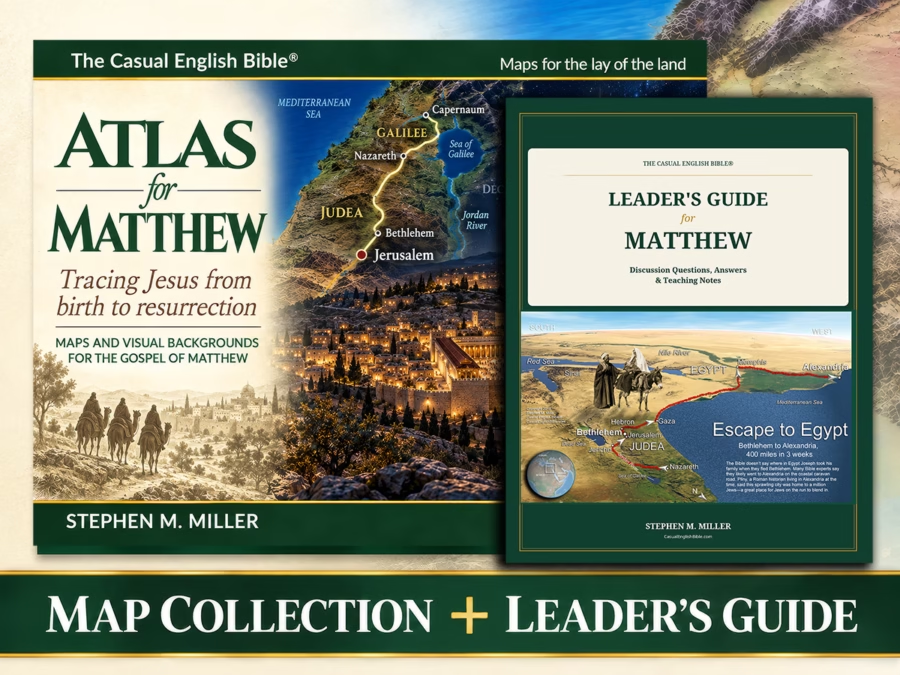
Matthew Bible Map Collection + Leader’s Guide
Original price was: $45.00.$35.00Current price is: $35.00. SALE
Photo of Gehenna Valley: The Biblical Meaning of Hell in Jerusalem
$10.00
Discover the Valley Behind Jesus’ Powerful Warnings
What did Jesus mean when he spoke about Gehenna, often translated as “hell”? The answer begins in a real place just outside ancient Jerusalem: the Valley of Hinnom. Explore the geography and history behind this striking biblical location and discover how a valley associated with terrible acts of idolatry became a powerful image of judgment in Jesus’ teaching.
Description
Narrative Description
The Valley of Hinnom lies along the edge of Jerusalem, near the hills and valleys surrounding the ancient city. In the Old Testament, this location became associated with some of Judah’s darkest practices, including the sacrifice of children to other gods. King Manasseh’s reign provides one example of these practices, described in 2 Chronicles 33:6. God condemned such acts, and later biblical writers connected the valley with warnings of judgment.
The Hebrew name for the valley is associated with the name Hinnom. In the Greek language used widely during Jesus’ time, the name became Gehenna. Jesus used this familiar place name in his teaching, including Matthew 5:22 and Matthew 5:29–30, to warn his listeners about the seriousness of sin and the consequences of turning away from God. English Bibles often translate Gehenna as “hell,” which can make it easy to overlook its connection to a real location near Jerusalem.
The valley’s history helps explain why its name carried such powerful meaning. The Old Testament describes the valley as a place associated with idolatry and condemned sacrifices, while Jeremiah 7:31–32 and Jeremiah 19:2–6 connect it with coming judgment. Over time, Gehenna became a powerful image in Jewish thought and in Jesus’ warnings about divine judgment. Although the valley is sometimes popularly described as Jerusalem’s constantly burning garbage dump, the historical evidence for that specific explanation is uncertain.
Seeing the Valley of Hinnom in its geographical setting helps readers understand the background behind Jesus’ words. His references to Gehenna were not simply abstract expressions; they drew on a place with a deeply troubling history. This photo offers a visual connection to the biblical world and helps bring the Old Testament’s warnings, Jesus’ teaching, and the history of Jerusalem together in one meaningful location.
What You Get
- A visual reference to the Valley of Hinnom near Jerusalem.
- Geographic context for understanding Jesus’ references to Gehenna.
- Historical background connecting the valley with Old Testament warnings against idolatry and child sacrifice.
- Connections between the Old Testament’s descriptions of the valley and Jesus’ teaching in Matthew.
- A helpful resource for Bible study, teaching, sermons, and exploring the historical background of biblical language.
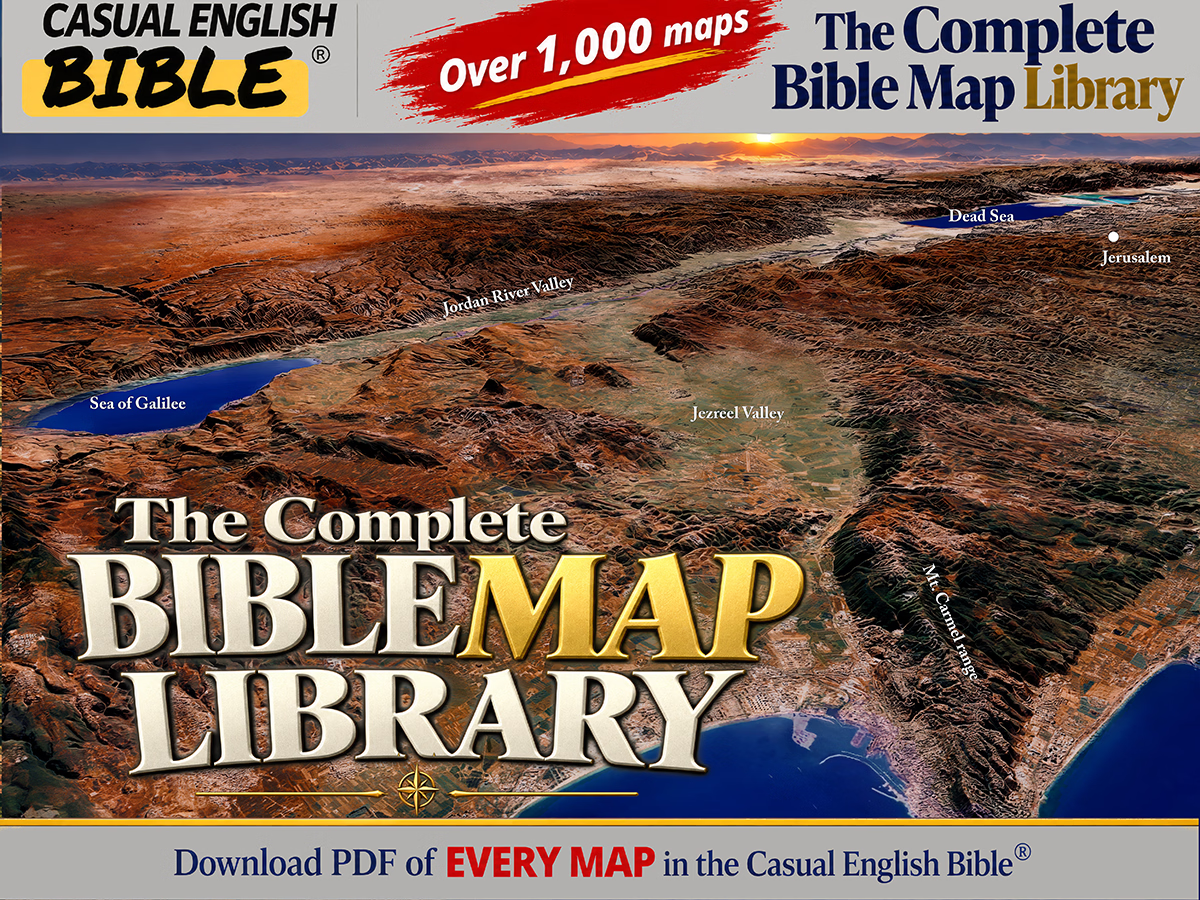
The Complete Bible Map Library
More than 1,000 Bible maps: Get a feel for the lay of the land
What if you could follow the entire Bible on a map—chapter by chapter?
This is every map we’ve created for the Casual English Bible®, all in one place. If geography shows up in a chapter, there’s a map for it. And as new maps are added, they’re included—no extra cost.
You’re not just reading the story anymore. You’re seeing where it happened.
SALE Original price was: $80.00.$75.00Current price is: $75.00.


Reviews
There are no reviews yet.