Jews complain about Jews
1A lot of Jewish men and women started complaining about one particular group of Jews.2One person complained, “We have a lot of families here with a lot of children. We need grain so we can make food for ourselves. We’ll starve without it.” 3Another added, “We have to use our land, vineyards, and houses as collateral for loans to buy grain during the famine.”
4Another said, “We’ve have to do that, too. But we’ve done it to borrow money to pay the king’s tax. 5Now listen here, we’re all Jews. And all our kids are Jewish children. But some of us have had to sell our sons into slave labor. Our children are living and working in other Jewish households. Our daughters, too. Some men have raped our daughters. But we can’t do a thing about it. The power belongs to the Jews who own our fields and vineyards.”
Nehemiah gets mad
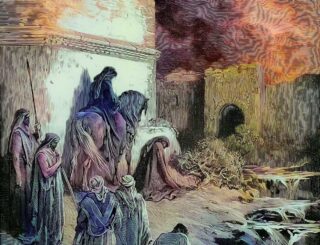
6The pain I heard in those grievances made me angry. 7I thought about what the people said. Then I confronted the governors and their officials. I said, “You people are charging interest to your fellow Jews?” [1] I called a meeting. A big one.8I told everyone, “As best we could, we brought back all our fellow Jews who were captured in war and taken away as slaves to other nations. But look at yourself now. Buying and selling each other—and making someone pay you before you free them!”
No one said a word.
9So, I told them, “What you’re doing here isn’t good. Shouldn’t you respect God more than this? You’re setting us up as the butt of a joke. We’ll be a punchline for the nations. 10Listen, I get it. I’ve loaned people money and grain. So have my family and others who came here with me. Let’s all agree to stop charging interest. 11Let’s make this the day that all debts are forgiven, and all accounts are settled. Give your fellow Jews back their fields, vineyards, and olive orchards. Give them back their homes along with the interest you made them pay for whatever you loaned them—money, grain, wine, and olive oil.” [2]
12The people agreed: “We’ll do it. We’ll give back everything we took and ask for nothing in return. Consider it done.” I didn’t. I called the priests and made the people take an oath. They made a promise in the sight of God’s anointed priests.
13I shook out a fold in my robe, a small pocket. I said, “If you don’t do what you just promised to do, may God turn your life upside down. May he shake you out of your house and off your property.” [3] The people said amen to that. They thanked God for what happened, and they did what they promised.
Nehemiah, low-tax governor
14King Artaxerxes appointed me governor of Judah for 12 years—from the 20th year of his reign to the 32nd year. [4] In all that time, I never used my rightful food allowance as governor. [5] Neither did any of the people who came with me. 15Before I got here, Jewish governors took their cut from every family. As a form of tax, they required every household to give them food, wine, and 40 silver coins. [6] Even the governor’s servants took advantage. I did not. I respect God. 16I came here to fix the wall. Not to buy property. The same is true of the people I brought with me.17As governor, I hosted a lot of people for meals, often 150 of them—officials, local Jews, and visitors from other nations. 18In a single day, we slaughtered an ox, six premium sheep, with chickens and birds as well. Every 10 days, we brought in a huge supply of wine. I didn’t ask anyone to pay for this. I knew the tax would make it hard on a lot of struggling people.
19Lord God, I pray for your blessing on my life because of what I’ve done for these people.