Governor Nehemiah makes it official
1As governor, I ratified an agreement the Jewish people made among themselves. These are the people who signed on to the agreement:Nehemiah the governor and the son of Hacaliah, Zedekiah,
Priests who sign the contract
2Seraiah, Azariah, Jeremiah,3Pashhur, Amariah, Malchijah,
4Hattush, Shebaniah, Malluch,
5Harim, Meremoth, Obadiah,
6Daniel, Ginnethon, Baruch,
7Meshullam, Abijah, Mijamin,
8Maaziah, Bilgai, Shemaiah. These are the priests who signed the agreement.
Levite scholars sign, too
9Levites signing the contract included Jeshua son of Azaniah, Binnui of the sons of Henadad, Kadmiel,10Shebaniah, Hodiah, Kelita, Pelaiah, Hanan,
11Mica, Rehob, Hashabiah,
12Zaccur, Sherebiah, Shebaniah,
13Hodiah, Bani, Beninu.
Family leaders sign the contract
14Other leaders signing the contract included Parosh, Pahath-moab, Elam, Zattu, Bani,15Bunni, Azgad, Bebai,
16Adonijah, Bigvai, Adin,
17Ater, Hezekiah, Azzur,
18Hodiah, Hashum, Bezai,
19Hariph, Anathoth, Nebai,
20Magpiash, Meshullam, Hezir,
21Meshezabel, Zadok, Jaddua,
22Pelatiah, Hanan, Anaiah,
23Hoshea, Hananiah, Hasshub,
24Hallohesh, Pilha, Shobek,
25Rehum, Hashabnah, Maaseiah,
26Ahiah, Hanan, Anan,
27Malluch, Harim, and Baanah.
Jews renew their promises to God
28Everyone here agrees. Among them: priests, Levite scholars, security guards at the gates, singers, all other Temple workers, and all the wives, sons, and daughters of these men. So, these are the people who have agreed to live separated from non-Jews and to obey God’s law.29We the people, with our nobles and families, promise to obey the laws Moses gave us from God. If we fail to keep them, we expect the LORD to invoke his right to punish us. [1]
30We won’t allow our daughters to marry non-Jewish men. We won’t allow our sons to marry non-Jewish women.
31We won’t buy or sell grain or anything else on the Sabbath Day of Saturday, or on any other sacred day on our Jewish calendar. [2]
We’ll keep the law about letting our farmland rest every seventh year; [3] we won’t plant crops that year. We will also keep the law about forgiving debts of our fellow Jews every seventh year.
32Once a year we’ll donate to the Temple three grams of silver, a third of a shekel. [4] 33Priests will use this money to buy the sacred Bread in God’s Presence [5] they keep in the sanctuary. It will also help them cover the cost of the daily and seasonal sacrifices, such as those on the annual Day of Atonement, [6] when we ask God to forgive the sins of our nation. They’ll also use the money to maintain the Temple property.
34We used dice [7] to decide on which family brings wood to the Temple on scheduled days. Families of priests, Levite scholars, and other citizens will take turns bringing wood to the Temple for sacrifices to the LORD.
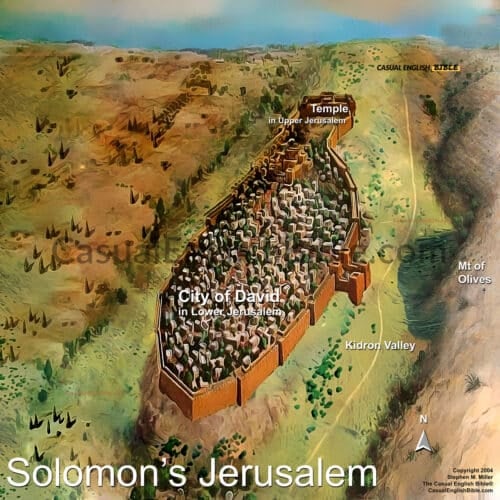
35We promise to bring offerings from the first of every crop we harvest—grain from the fields and fruit from the trees.
36We also promise to bring to the Temple our first sons and the first animals born to each animal in our flocks and herds—as the Law demands. [8]
37We will donate to the Temple the first dough we make from our flour. We’ll bring donations from all of our crops: grain along with fruit from every one of our trees. We’ll bring wine and olive oil for the priests. And we’ll give a tithe of 10 percent of our harvest to support the Levites every year when they come to collect.
38Levites promise to tithe, too. They will donate to the Temple a 10 percent tithe of the 10 percent tithe they get from the citizens. So, the Temple gets one percent of each harvest. The high priest descended from Aaron will be there to watch Levites bring their offerings.
39People of Israel and Levites will bring to the Temple storehouse their donations of grain, wine, and olive oil. This is where priests and temple guards and singers all minister to the people. We won’t neglect the Temple of our God or the people who minister there. [9]