Uzziah started out as a godly king
2 Kings 14:21-22; 15:1-7 1The people crowned Amaziah’s 16-year-old son, Uzziah, [1] the next king.
2King Uzziah later recaptured and rebuilt the city of Elath. 3Sixteen-year-old Uzziah ruled from his capital of Jerusalem for 52 years. His mother was Jecoliah, a native of Jerusalem.
4Uzziah was a good king, devoted to the LORD, like his father Amaziah had been. 5He made it his goal to stay on the good side of God. An advisor named Zechariah [2] helped him do that by teaching him to honor God. [3] As long as the king did that, God allowed him to be successful in life. Judah destroys Philistine towns
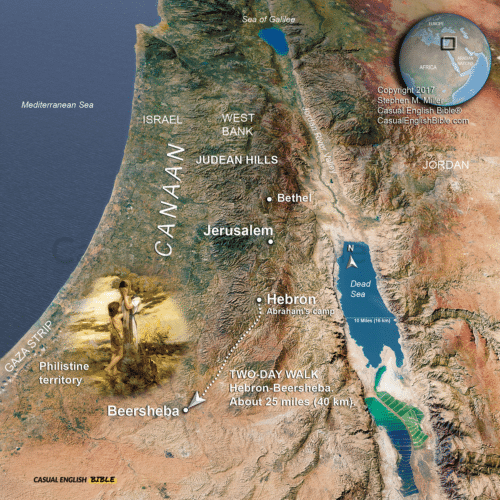
6Uzziah declared war against the Philistines. He attacked their cities, tearing down the city walls around Gath, Jabneh, and Ashdod. Then he built his own cities in Ashdod and on other sites throughout the Philistine territory. [4] 7God helped Uzziah defeat the Philistines, Arabs in Gur-baal, and the people of Mount Seir. [5]
8The nation of Ammon paid him taxes—the expected tribute of a servant nation. In time, Uzziah became a strong leader. Neighboring nations noticed. Even the people of Egypt heard about his military strength.
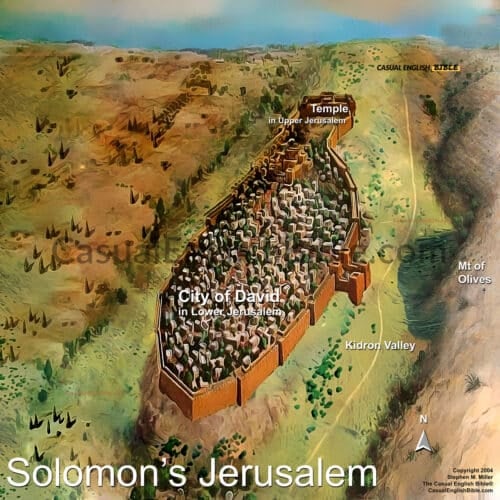
9He ordered huge, reinforced guard towers built behind the walls of Jerusalem—at the Corner Gate, Valley Gate, and at one of the corners in the wall. 10He also built fortified lookout towers throughout the kingdom. He had workers dig cisterns for storing rainwater. He needed those because he had a lot of livestock that his herders grazed in pastures along the western foothills, called the Shephelah, and in the coastal plains. He had farmers who worked the fertile soil in the hills and the plains, growing his crops and tending his vineyards. Uzziah loved the land and all it provided. Uzziah’s army of 300,000+
11Uzziah kept an army on duty, ready to fight when needed. [6] His military officers organized the soldiers into divisions. And the commanders kept track of how many soldiers were available. Officers in charge of that were Jeiel, and his assistant Maaseiah. Jeiel reported to Hananiah, one of the king’s commanders.
12There were 2,600 family leaders who led the soldiers— 13307,500 soldiers in all, every one of them fit for combat. 14Uzziah armed them with helmets, metal coats of mail, shields, spears, bows, and slings for heaving stones at high speed.
15Inside Jerusalem he positioned artillery in the towers. These devices, invented by skilled artisans, launched large projectiles: stones and arrows. God helped Uzziah grow into a powerful king, well-known far from Jerusalem. Proud king Uzziah’s sad end
16Uzziah grew stronger. But so did his self-pride. It didn’t end well for him. He became so bold that he did something God had said only priests could do. He walked inside the Temple and prepared to offer an incense sacrifice.
17High priest Azariah objected and charged into the Temple with 80 brave priests.
18He told the king, “Uzziah, you’re a king, not a priest. Only a priest descended from Aaron can offer sacrifices like this to the LORD. Get out of here. This is a blatant sin. If you think parading in here and offering a sacrifice is going to bring you more honor, think again. God won’t let it.”
19Uzziah became livid. As he stood there holding the censer he was going to use to make the offering, a disease erupted onto his forehead. All the priests in the room saw it happen right there beside the incense altar. 20He rushed outside, escorted by the priests. They knew the LORD did this to him.
21This was the kind of disease that left him ritually unclean [7] and unfit to step onto the
Temple grounds and worship God. He remained diseased until he died. He had to live in a separate house so he wouldn’t contaminate anyone else by contact. His son Jotham became the acting king, running the palace and governing the people.
22The rest of Uzziah’s story is preserved in the writings of the prophet Isaiah, son of Amos. 23Uzziah died and the people buried him near his family tomb, in another field reserved for kings. By then, people had come to know him as “the leper.” His son Jotham became the next king.
Related maps
1The people crowned Amaziah’s 16-year-old son, Uzziah, [1] the next king.
2King Uzziah later recaptured and rebuilt the city of Elath. 3Sixteen-year-old Uzziah ruled from his capital of Jerusalem for 52 years. His mother was Jecoliah, a native of Jerusalem.
4Uzziah was a good king, devoted to the LORD, like his father Amaziah had been. 5He made it his goal to stay on the good side of God. An advisor named Zechariah [2] helped him do that by teaching him to honor God. [3] As long as the king did that, God allowed him to be successful in life.
8The nation of Ammon paid him taxes—the expected tribute of a servant nation. In time, Uzziah became a strong leader. Neighboring nations noticed. Even the people of Egypt heard about his military strength.
9He ordered huge, reinforced guard towers built behind the walls of Jerusalem—at the Corner Gate, Valley Gate, and at one of the corners in the wall. 10He also built fortified lookout towers throughout the kingdom. He had workers dig cisterns for storing rainwater. He needed those because he had a lot of livestock that his herders grazed in pastures along the western foothills, called the Shephelah, and in the coastal plains. He had farmers who worked the fertile soil in the hills and the plains, growing his crops and tending his vineyards. Uzziah loved the land and all it provided.
12There were 2,600 family leaders who led the soldiers— 13307,500 soldiers in all, every one of them fit for combat. 14Uzziah armed them with helmets, metal coats of mail, shields, spears, bows, and slings for heaving stones at high speed.
15Inside Jerusalem he positioned artillery in the towers. These devices, invented by skilled artisans, launched large projectiles: stones and arrows. God helped Uzziah grow into a powerful king, well-known far from Jerusalem.
17High priest Azariah objected and charged into the Temple with 80 brave priests.
18He told the king, “Uzziah, you’re a king, not a priest. Only a priest descended from Aaron can offer sacrifices like this to the LORD. Get out of here. This is a blatant sin. If you think parading in here and offering a sacrifice is going to bring you more honor, think again. God won’t let it.”
19Uzziah became livid. As he stood there holding the censer he was going to use to make the offering, a disease erupted onto his forehead. All the priests in the room saw it happen right there beside the incense altar. 20He rushed outside, escorted by the priests. They knew the LORD did this to him.
21This was the kind of disease that left him ritually unclean [7] and unfit to step onto the Temple grounds and worship God. He remained diseased until he died. He had to live in a separate house so he wouldn’t contaminate anyone else by contact. His son Jotham became the acting king, running the palace and governing the people.
22The rest of Uzziah’s story is preserved in the writings of the prophet Isaiah, son of Amos. 23Uzziah died and the people buried him near his family tomb, in another field reserved for kings. By then, people had come to know him as “the leper.” His son Jotham became the next king.
2King Uzziah later recaptured and rebuilt the city of Elath. 3Sixteen-year-old Uzziah ruled from his capital of Jerusalem for 52 years. His mother was Jecoliah, a native of Jerusalem.
4Uzziah was a good king, devoted to the LORD, like his father Amaziah had been. 5He made it his goal to stay on the good side of God. An advisor named Zechariah [2] helped him do that by teaching him to honor God. [3] As long as the king did that, God allowed him to be successful in life.
Judah destroys Philistine towns
6Uzziah declared war against the Philistines. He attacked their cities, tearing down the city walls around Gath, Jabneh, and Ashdod. Then he built his own cities in Ashdod and on other sites throughout the Philistine territory. [4] 7God helped Uzziah defeat the Philistines, Arabs in Gur-baal, and the people of Mount Seir. [5]8The nation of Ammon paid him taxes—the expected tribute of a servant nation. In time, Uzziah became a strong leader. Neighboring nations noticed. Even the people of Egypt heard about his military strength.
9He ordered huge, reinforced guard towers built behind the walls of Jerusalem—at the Corner Gate, Valley Gate, and at one of the corners in the wall. 10He also built fortified lookout towers throughout the kingdom. He had workers dig cisterns for storing rainwater. He needed those because he had a lot of livestock that his herders grazed in pastures along the western foothills, called the Shephelah, and in the coastal plains. He had farmers who worked the fertile soil in the hills and the plains, growing his crops and tending his vineyards. Uzziah loved the land and all it provided.
Uzziah’s army of 300,000+
11Uzziah kept an army on duty, ready to fight when needed. [6] His military officers organized the soldiers into divisions. And the commanders kept track of how many soldiers were available. Officers in charge of that were Jeiel, and his assistant Maaseiah. Jeiel reported to Hananiah, one of the king’s commanders.12There were 2,600 family leaders who led the soldiers— 13307,500 soldiers in all, every one of them fit for combat. 14Uzziah armed them with helmets, metal coats of mail, shields, spears, bows, and slings for heaving stones at high speed.
15Inside Jerusalem he positioned artillery in the towers. These devices, invented by skilled artisans, launched large projectiles: stones and arrows. God helped Uzziah grow into a powerful king, well-known far from Jerusalem.
Proud king Uzziah’s sad end
16Uzziah grew stronger. But so did his self-pride. It didn’t end well for him. He became so bold that he did something God had said only priests could do. He walked inside the Temple and prepared to offer an incense sacrifice.17High priest Azariah objected and charged into the Temple with 80 brave priests.
18He told the king, “Uzziah, you’re a king, not a priest. Only a priest descended from Aaron can offer sacrifices like this to the LORD. Get out of here. This is a blatant sin. If you think parading in here and offering a sacrifice is going to bring you more honor, think again. God won’t let it.”
19Uzziah became livid. As he stood there holding the censer he was going to use to make the offering, a disease erupted onto his forehead. All the priests in the room saw it happen right there beside the incense altar. 20He rushed outside, escorted by the priests. They knew the LORD did this to him.
21This was the kind of disease that left him ritually unclean [7] and unfit to step onto the Temple grounds and worship God. He remained diseased until he died. He had to live in a separate house so he wouldn’t contaminate anyone else by contact. His son Jotham became the acting king, running the palace and governing the people.
22The rest of Uzziah’s story is preserved in the writings of the prophet Isaiah, son of Amos. 23Uzziah died and the people buried him near his family tomb, in another field reserved for kings. By then, people had come to know him as “the leper.” His son Jotham became the next king.