Solomon’s grandson, skips worshiping God
2 Chronicles 13:1-22 1By the time Abijam [1] became Judah’s king, Jeroboam had been king of Israel for almost 18 years. 2Abijam ruled Jerusalem for just three years. His mother was Maacah, [2] daughter of Abishalom. [3] 3He wasn’t like David, who obeyed God. He was like other kings of Judah after David. They didn’t care about God. 4But out of respect for David, God allowed the family dynasty to continue to the next generation. The king had a son. 5David was a good king of Israel. He usually did what God asked him to do. What he did to Uriah the Hittite was the exception. [4] 6War between Israel and Judah continued through Abijam’s life. That war started when Jeroboam led the northern tribes to secede from the union with Judah. 7History of Judah’s Kings reports more about what Abijam did during his time as king. The war between the north and the south continued. 8Abijam died and people of Judah buried him with his ancestors in the City of David. His son Asa became the next king. Good King Asa leads Judah
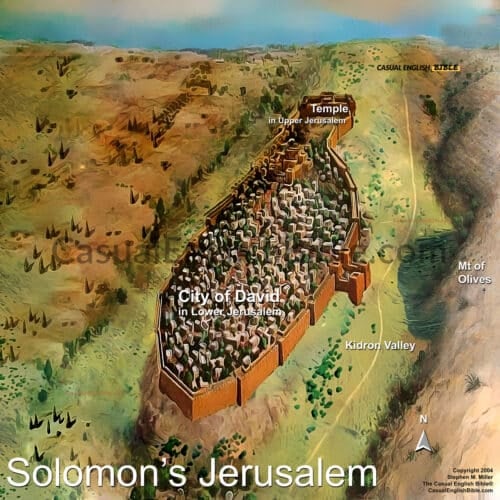
2 Chronicles 15:16-16:6, 11-13 9By the time Asa became king of Judah, Jeroboam had been king of Israel for about 20 years. 10Asa led Judah from his capital in Jerusalem for 41 years. His grandmother was Maacah, daughter of Abishalom. [5] 11Asa was one of the good kings. He got it right, from God’s point of view. In that way, he was like David. 12He deported sacred prostitutes who worked as priests at pagan shrines throughout Judah. And he got rid of idols that had been around for generations. 13He even fired his grandmother, Maacah. He stripped her of her title as Queen Mother because she had a disgusting image of the goddess Asherah. [6] Asa burned that thing in the Kidron Valley’s dry streambed. [7] 14Asa didn’t manage to destroy the hilltop shrines scattered throughout Judah. But he did his best to honor God for as long as he lived. 15He brought donations to the Temple, offerings of silver and gold and utensils for the priests to use in the rituals they performed. Judah and Syria fight Israel
16War between Israel and Judah continued throughout the lives of King Asa and King Baasha of Israel. 17King Baasha reinforced the border town of Ramah. He wanted to shut the door on anyone trying to come or go between Israel and Judah. [8] Asa buys an ally
18Asa collected all the silver and gold in the Temple treasury. He told some officials to deliver it to King Ben-hadad at Damascus in Syria. Ben-hadad was the son of Tabrimmon and grandson of Hezion. 19Asa sent this message to Ben-hadad: “Let’s become allies. King Baasha of Israel is trying to invade and defeat me. I need your help. Please accept this gift of silver and gold. Then walk away from your treaty with Baasha, join forces with me, and help me push Baasha back where he belongs. 20Ben-hadad agreed to Asa’s deal. Then he unleashed his commanders and their armies. They attacked Israel and captured the cities of Ijon, Dan, Abel-beth-maacah, and all the territory of Chinneroth [9] and all the tribal land of Naphtali. 21When Baasha heard what Syria was doing, he stopped work on Ramah and retreated to the safety of his capital at Tirzah. [10] 22King Asa drafted all the men in Judah, no exceptions. He mobilized everyone to carry stones and timber that Baasha used to fortify Ramah. He used the material to fortify the town of Geba in the tribe of Benjamin, along with the town of Mizpah. 23The rest of Asa’s story about what he did as king and about the cities he built is preserved in the History of Judah’s Kings. As he grew older, he suffered with feet problems. 24Asa died and was buried with his ancestors in the City of David. Asa’s son, Jehoshaphat became the next king. Nadab, king of Israel
25Asa was into his second year as Judah’s king when, up north, Jeroboam’s son Nadab became king of Israel. Nadab reigned two years. 26Nadab didn’t pay attention to God. He lived the same kind of sinful life that his ancestors had lived. The people of Israel followed his bad example. 27A man named Baasha plotted to kill him. Baasha was the son of Ahijah, from the tribe of Issachar. Baasha murdered him at the Philistine town of Gibbethon, while Israel was laying siege to the city. 28This happened down south, while Asa was in his third year as king of Judah. That’s when Baasha became king of Israel, in the north. 29Baasha went to Nadab’s house and killed everyone in Jeroboam’s extended family. That fulfilled the prophecy of Ahijah from Shiloh. 30What happened was Jeroboam’s fault. He committed terrible sins and Israel followed his lead. That made Israel’s God angry to take action. 31The rest of Nadab’s story appears in the History of Israel’s Kings. 32Israel and Judah remained in a state of war for as long as Asa and King Baasha of Israel lived. Israel’s Dynasty Two
33Baasha son of Ahijah became king of Israel in the Asa’s third year as king of Judah. Baasha lived at Tirzah. 34Baasha was a bad king from God’s point of view. He lived as sinfully as Jeroboam did as he led Israel into sin.
Related maps
1By the time Abijam [1] became Judah’s king, Jeroboam had been king of Israel for almost 18 years. 2Abijam ruled Jerusalem for just three years. His mother was Maacah, [2] daughter of Abishalom. [3] 3He wasn’t like David, who obeyed God. He was like other kings of Judah after David. They didn’t care about God. 4But out of respect for David, God allowed the family dynasty to continue to the next generation. The king had a son. 5David was a good king of Israel. He usually did what God asked him to do. What he did to Uriah the Hittite was the exception. [4] 6War between Israel and Judah continued through Abijam’s life. That war started when Jeroboam led the northern tribes to secede from the union with Judah. 7History of Judah’s Kings reports more about what Abijam did during his time as king. The war between the north and the south continued. 8Abijam died and people of Judah buried him with his ancestors in the City of David. His son Asa became the next king. Good King Asa leads Judah
Good King Asa leads Judah
2 Chronicles 15:16-16:6, 11-13 9By the time Asa became king of Judah, Jeroboam had been king of Israel for about 20 years. 10Asa led Judah from his capital in Jerusalem for 41 years. His grandmother was Maacah, daughter of Abishalom. [5] 11Asa was one of the good kings. He got it right, from God’s point of view. In that way, he was like David. 12He deported sacred prostitutes who worked as priests at pagan shrines throughout Judah. And he got rid of idols that had been around for generations. 13He even fired his grandmother, Maacah. He stripped her of her title as Queen Mother because she had a disgusting image of the goddess Asherah. [6] Asa burned that thing in the Kidron Valley’s dry streambed. [7] 14Asa didn’t manage to destroy the hilltop shrines scattered throughout Judah. But he did his best to honor God for as long as he lived. 15He brought donations to the Temple, offerings of silver and gold and utensils for the priests to use in the rituals they performed. Judah and Syria fight Israel
16War between Israel and Judah continued throughout the lives of King Asa and King Baasha of Israel. 17King Baasha reinforced the border town of Ramah. He wanted to shut the door on anyone trying to come or go between Israel and Judah. [8] Asa buys an ally
18Asa collected all the silver and gold in the Temple treasury. He told some officials to deliver it to King Ben-hadad at Damascus in Syria. Ben-hadad was the son of Tabrimmon and grandson of Hezion. 19Asa sent this message to Ben-hadad: “Let’s become allies. King Baasha of Israel is trying to invade and defeat me. I need your help. Please accept this gift of silver and gold. Then walk away from your treaty with Baasha, join forces with me, and help me push Baasha back where he belongs. 20Ben-hadad agreed to Asa’s deal. Then he unleashed his commanders and their armies. They attacked Israel and captured the cities of Ijon, Dan, Abel-beth-maacah, and all the territory of Chinneroth [9] and all the tribal land of Naphtali. 21When Baasha heard what Syria was doing, he stopped work on Ramah and retreated to the safety of his capital at Tirzah. [10] 22King Asa drafted all the men in Judah, no exceptions. He mobilized everyone to carry stones and timber that Baasha used to fortify Ramah. He used the material to fortify the town of Geba in the tribe of Benjamin, along with the town of Mizpah. 23The rest of Asa’s story about what he did as king and about the cities he built is preserved in the History of Judah’s Kings. As he grew older, he suffered with feet problems. 24Asa died and was buried with his ancestors in the City of David. Asa’s son, Jehoshaphat became the next king. Nadab, king of Israel
25Asa was into his second year as Judah’s king when, up north, Jeroboam’s son Nadab became king of Israel. Nadab reigned two years. 26Nadab didn’t pay attention to God. He lived the same kind of sinful life that his ancestors had lived. The people of Israel followed his bad example. 27A man named Baasha plotted to kill him. Baasha was the son of Ahijah, from the tribe of Issachar. Baasha murdered him at the Philistine town of Gibbethon, while Israel was laying siege to the city. 28This happened down south, while Asa was in his third year as king of Judah. That’s when Baasha became king of Israel, in the north. 29Baasha went to Nadab’s house and killed everyone in Jeroboam’s extended family. That fulfilled the prophecy of Ahijah from Shiloh. 30What happened was Jeroboam’s fault. He committed terrible sins and Israel followed his lead. That made Israel’s God angry to take action. 31The rest of Nadab’s story appears in the History of Israel’s Kings. 32Israel and Judah remained in a state of war for as long as Asa and King Baasha of Israel lived. Israel’s Dynasty Two
33Baasha son of Ahijah became king of Israel in the Asa’s third year as king of Judah. Baasha lived at Tirzah. 34Baasha was a bad king from God’s point of view. He lived as sinfully as Jeroboam did as he led Israel into sin.
Related maps
9By the time Asa became king of Judah, Jeroboam had been king of Israel for about 20 years. 10Asa led Judah from his capital in Jerusalem for 41 years. His grandmother was Maacah, daughter of Abishalom. [5] 11Asa was one of the good kings. He got it right, from God’s point of view. In that way, he was like David. 12He deported sacred prostitutes who worked as priests at pagan shrines throughout Judah. And he got rid of idols that had been around for generations. 13He even fired his grandmother, Maacah. He stripped her of her title as Queen Mother because she had a disgusting image of the goddess Asherah. [6] Asa burned that thing in the Kidron Valley’s dry streambed. [7] 14Asa didn’t manage to destroy the hilltop shrines scattered throughout Judah. But he did his best to honor God for as long as he lived. 15He brought donations to the Temple, offerings of silver and gold and utensils for the priests to use in the rituals they performed.