Jeremiah Bible Atlas - PDF
Babylon ascending, 597 BC
$10.00
What you get
- Custom-made for The Casual English Bible®
- High-resolution map (2000 px PDF)
- Depicts the Babylonian Empire in 597 BC, just before the fall of Jerusalem
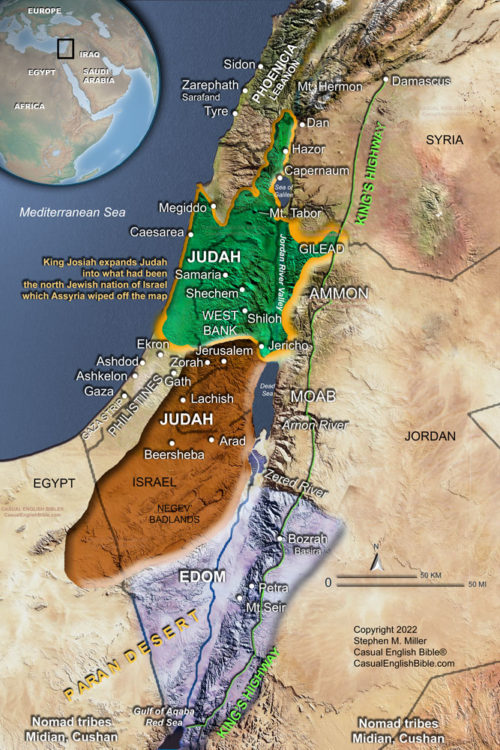
- Highlights key regions including Babylon, Judah, Egypt, Elam, and the Media Empire
- Shows major geographical features like the Euphrates and Tigris Rivers and the Fertile Crescent
- Provides historical context for the rise of Babylon and its regional dominance
- Ideal for sermons, Bible studies, and teaching on the exile and prophetic period
- Available for immediate download
- Licensing available for publication, print, and public use
Description
Babylon, mega power
In 597 BC, the Babylonian Empire was one of the most powerful nations in the world. Its king, Nebuchadnezzar II, ruled as a strong and ambitious leader. His army had already conquered much of the Middle East, including the mighty Assyrian Empire. Babylon's soldiers were well-trained, using horses, chariots, and powerful siege weapons to capture cities.
Capturing Jerusalem
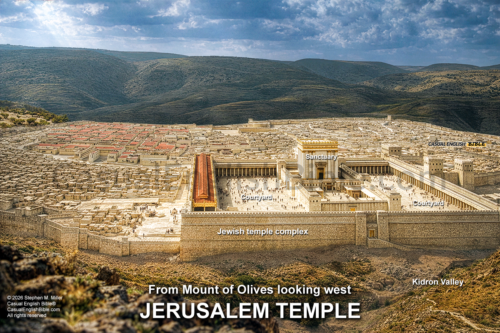
Nebuchadnezzar, in 597 BC, led his army to attack Jerusalem, the capital of Judah. The city’s king, Jehoiachin, surrendered, and Babylon’s soldiers took him and many others as prisoners. They also took treasures from the Jewish Temple and brought them back to Babylon. But this wasn't the final destruction of Jerusalem—that would happen about ten years later—but it was a major blow to the kingdom of Judah.
Problems back in Babylon
While Nebuchadnezzar was expanding his empire, he also had problems at home. Babylon was a huge and wealthy city, but ruling a vast empire was difficult. For one, some conquered people, like those in Judah, Egypt, and other lands, didn't want to be ruled by Babylon. They rebelled whenever they had the chance. Nebuchadnezzar had to send his army repeatedly to crush these uprisings.
Inside Babylon, the empire’s wealth created conflicts, too. Nobles and officials fought for power, and the king had to make sure no one tried to take his throne. Despite these troubles, Nebuchadnezzar kept Babylon strong. He built grand palaces, temples, and even what some say were the famous Hanging Gardens.
For now, Babylon was the most powerful empire in the world. But keeping control would not be easy. And in the long haul, it became impossible. Cue the Medes and Persians of Elam.