
Eight-year-old king, Josiah
2 Kings 22:1-2 1Josiah was eight years old when he became king. He reigned 31 years out of Judah’s capital city of Jerusalem. 2Josiah lived his life devoted to the LORD, as his ancestor David had done. He never wandered away from God. Getting rid of idols
2 Kings 23:4-20 3Eight years later, the 16-year-old Josiah began learning what he could about the God of David. By the time he was 20, he was removing pagan shrines, idols, altars, and Asherah poles [1] that people worshiped on hilltops all over Judah.
4He watched as his workers destroyed altars of Baal, [2] incense altars near them, sacred poles, and gods carved of wood or those cast in metal. He crushed them into dust. Then in an act of desecration, he sprinkled it over the graves of people who had sacrificed at these shrines. 5He gathered the bones of pagan priests and burned them on the altars where they had sacrificed when they were alive. He cleansed Jerusalem and Judah of all pagan objects he could find.
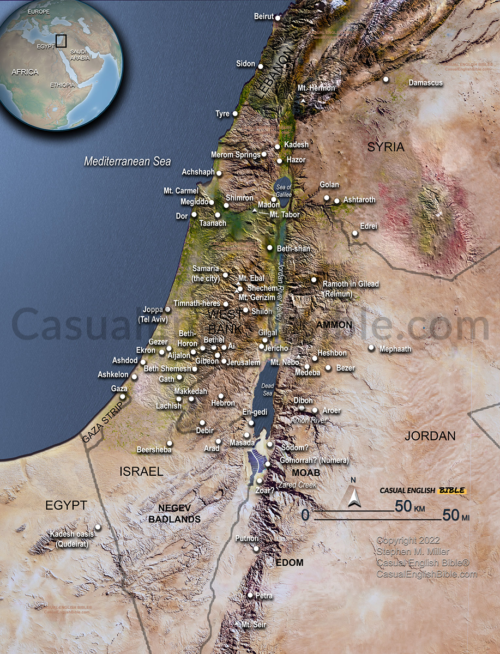
6Then he took a road trip to tribal towns in what had been the northern kingdom of Israel. He went to the tribal areas of Manasseh, Ephraim, Simeon, and even Naphtali in the far north. 7Throughout all of what had been the northern nation of Israel, he tore down their pagan altars, broke their Asherah poles, he pulverized their idols, and destroyed their incense altars. Then he went back home to Jerusalem. Repairing Solomon’s wrecked Temple
2 Kings 22:3-20 8Eighteen years into Josiah’s reign, after he cleared the land of pagan objects, he assigned three of his top officials to repair the Temple. They were:
- Shaphan, who was the son of Azaliah and grandson of Meshullam
- Maaseiah, Jerusalem’s governor
- Joah son of Joahaz, head of royal records.
9Levites had been collecting donations for the Temple building fund. They had donations from the tribes of Manasseh, Ephraim, and other remnants of what used to be the northern kingdom of Israel. They had also collected money from Jerusalem and the rest of the tribe of Judah and the neighboring tribe of Benjamin. 10The three officials gave the money to the foremen in charge of workers who would be restoring the Temple to its former condition.
11Foremen gave this money to carpenters and masons to buy construction supplies for the repair work. This would include timber and stone cut from the quarries. The former king of Judah neglected the Temple for so long that it fell into a terrible state of disrepair. 12The workers did a great job. Their Levite supervisors included:
- Jahath and Obadiah from the Merari clan of extended families
- Zechariah and Meshullam from the Kohath clan
- Gifted musicians.
13These Levite officials acquired and transported the supplies. And they supervised the workers. Other Levites served as Temple guards. Priests find the lost Bible: laws of Moses
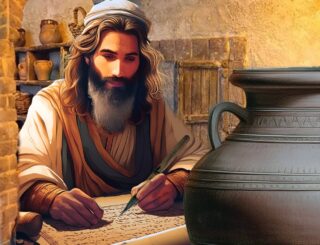
14While the priests were gathering up the donated silver coins stored in the Temple, they found the book of law that the LORD gave Moses.
15High Priest Hilkiah told Shaphan, chief official in the royal court, “I found the book of laws God gave us. It was in the Temple.” [3] Hilkiah gave it to Shaphan. 16Shaphan reported back to the king and said, “Your officials and workers are all doing their jobs for you. 17They’ve taken all the donated silver from the Temple and delivered it to the foremen and their workers. 18But while I was there, the priest Hilkiah gave me this book.”
Shaphan started reading it to the king. 19When the king heard what was in that book, he ripped his clothes. [4]
20He called a meeting of these men:
- High Priest Hilkiah
- Shaphan
- Ahikam [5] son of Shaphan
- Abdon son of Micah
- Asaiah, one of the king’s top officials.
21The king told these men, “Go find someone who can ask the LORD about what we’ve discovered in this book. Have them find out what the LORD has to say to me, to the people here, to what’s left of Israel, and to all of Judah. The LORD has good reason to be angry with us. Our ancestors lost this book and failed to obey the laws written in there for all of us.” Huldah’s horrifying prophecy
22Hilkiah and the four other men went to meet with the prophetess Huldah. [6] She married Shallum, a court official in charge of the king’s wardrobe. Her husband was the son of Tikvah and the grandson of Harhas. Her family lived in the new part of Jerusalem, in the north.
23Prophetess Huldah said, “This is from the LORD, the God of Israel:
24I’m going to hit you with everything I warned you about in the book you just found and read. [7] This place is going to become a disaster zone for the land and the people living here.
25I’m doing this to you because you people of Judah and Israel turned your back on me and went off to worship other gods. I’m sick and tired of this—and I’m furious. So, I’m going to dump a dose of anger all over this land and these people. There’s nothing you can do to stop that now. You’ve already tipped me over. 26As for the king himself, who sent you, give him this message:
27I see your broken heart. You came to me humbly, tears flowing, and with your clothes ripped in sorrow over the devastating news I just gave you. I heard your prayer.
28I want to assure you of this. I will let you live your life in peace, and then you’ll die. [8] You won’t have to see what’s coming. I’m going to spare you from it.”
The king’s officials took Huldah’s message back to the king. Reconnecting with God
2 Kings 23:1-3 29King Josiah called in the senior leaders of Jerusalem and Judah. 30He led them up the hill from his Jerusalem palace to the Temple. All Jerusalem followed them, along with people who had come from all over Judah. Everyone in town joined the crowd: priests, prophets, and everyone else from the most important to the most ignored. With everyone watching, the king read the words from the book of the agreement with God that the high priest found in the Temple.
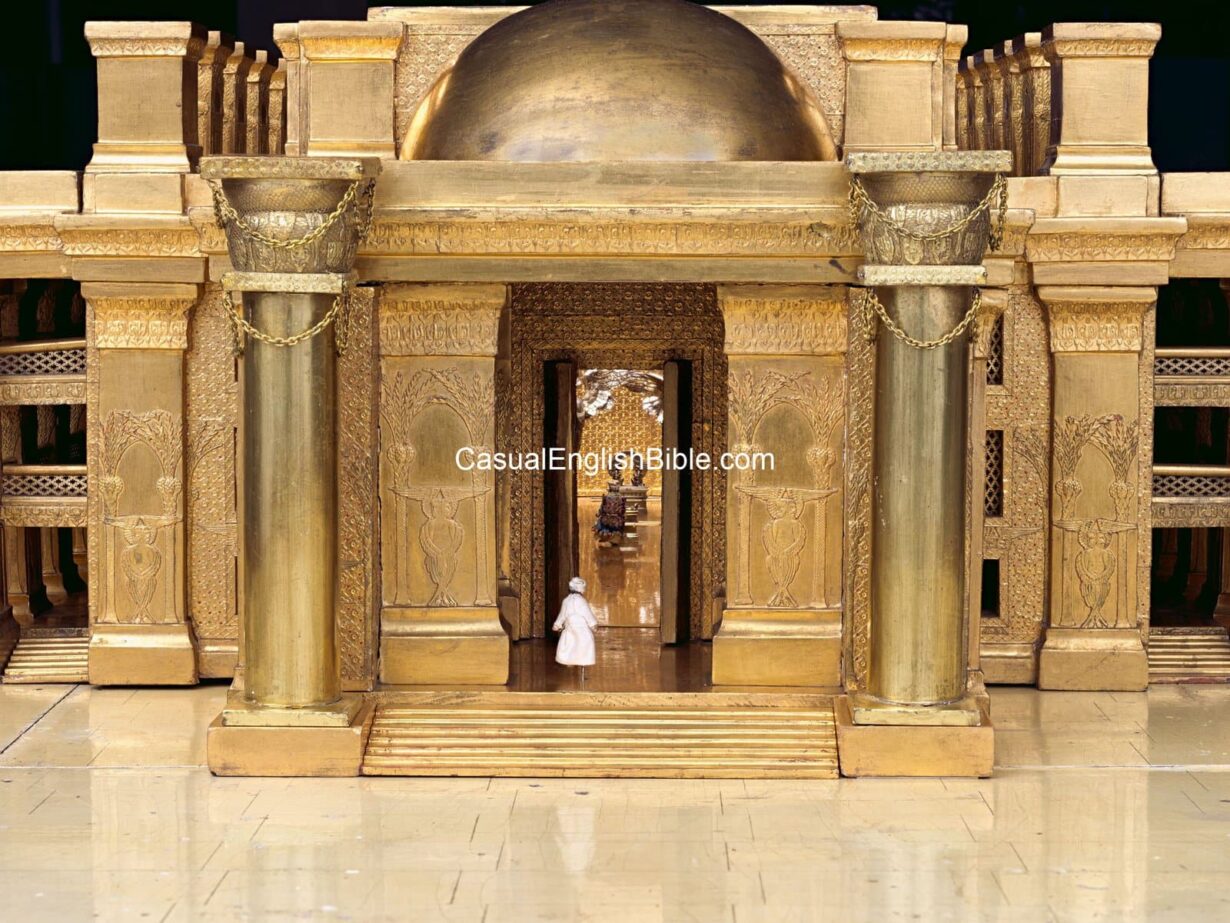
31Then the king, standing by one of the Temple pillars, made a public covenant promise to the LORD to follow God’s teachings and laws. He vowed with all his heart and soul to do exactly what the laws said. 32Then he made all the people with him do the same, including folks from the neighboring tribe of Benjamin. The people of Jerusalem reconnected with God and honored their promise to obey him.
33Josiah cleared out all the pagan worship objects in Judah and throughout the territory that used to be the northern Jewish nation of Israel.
Related maps
Help Keep the Casual English Bible®
Free for Everyone
Your support helps us keep our Casual Bible free and accessible, especially for people new to the Bible, curious non-Christians, and Christians who’ve always found it hard to understand.
This mission is 100% reader-supported. If you believe everyone deserves a Bible they can easily read and relate to, we’d love your help.
1Josiah was eight years old when he became king. He reigned 31 years out of Judah’s capital city of Jerusalem. 2Josiah lived his life devoted to the LORD, as his ancestor David had done. He never wandered away from God. Getting rid of idols
Getting rid of idols
2 Kings 23:4-20 3Eight years later, the 16-year-old Josiah began learning what he could about the God of David. By the time he was 20, he was removing pagan shrines, idols, altars, and Asherah poles [1] that people worshiped on hilltops all over Judah.
4He watched as his workers destroyed altars of Baal, [2] incense altars near them, sacred poles, and gods carved of wood or those cast in metal. He crushed them into dust. Then in an act of desecration, he sprinkled it over the graves of people who had sacrificed at these shrines. 5He gathered the bones of pagan priests and burned them on the altars where they had sacrificed when they were alive. He cleansed Jerusalem and Judah of all pagan objects he could find.
6Then he took a road trip to tribal towns in what had been the northern kingdom of Israel. He went to the tribal areas of Manasseh, Ephraim, Simeon, and even Naphtali in the far north. 7Throughout all of what had been the northern nation of Israel, he tore down their pagan altars, broke their Asherah poles, he pulverized their idols, and destroyed their incense altars. Then he went back home to Jerusalem. Repairing Solomon’s wrecked Temple
2 Kings 22:3-20 8Eighteen years into Josiah’s reign, after he cleared the land of pagan objects, he assigned three of his top officials to repair the Temple. They were:
- Shaphan, who was the son of Azaliah and grandson of Meshullam
- Maaseiah, Jerusalem’s governor
- Joah son of Joahaz, head of royal records.
9Levites had been collecting donations for the Temple building fund. They had donations from the tribes of Manasseh, Ephraim, and other remnants of what used to be the northern kingdom of Israel. They had also collected money from Jerusalem and the rest of the tribe of Judah and the neighboring tribe of Benjamin. 10The three officials gave the money to the foremen in charge of workers who would be restoring the Temple to its former condition.
11Foremen gave this money to carpenters and masons to buy construction supplies for the repair work. This would include timber and stone cut from the quarries. The former king of Judah neglected the Temple for so long that it fell into a terrible state of disrepair. 12The workers did a great job. Their Levite supervisors included:
- Jahath and Obadiah from the Merari clan of extended families
- Zechariah and Meshullam from the Kohath clan
- Gifted musicians.
13These Levite officials acquired and transported the supplies. And they supervised the workers. Other Levites served as Temple guards. Priests find the lost Bible: laws of Moses
14While the priests were gathering up the donated silver coins stored in the Temple, they found the book of law that the LORD gave Moses.
15High Priest Hilkiah told Shaphan, chief official in the royal court, “I found the book of laws God gave us. It was in the Temple.” [3] Hilkiah gave it to Shaphan. 16Shaphan reported back to the king and said, “Your officials and workers are all doing their jobs for you. 17They’ve taken all the donated silver from the Temple and delivered it to the foremen and their workers. 18But while I was there, the priest Hilkiah gave me this book.”
Shaphan started reading it to the king. 19When the king heard what was in that book, he ripped his clothes. [4]
20He called a meeting of these men:
- High Priest Hilkiah
- Shaphan
- Ahikam [5] son of Shaphan
- Abdon son of Micah
- Asaiah, one of the king’s top officials.
21The king told these men, “Go find someone who can ask the LORD about what we’ve discovered in this book. Have them find out what the LORD has to say to me, to the people here, to what’s left of Israel, and to all of Judah. The LORD has good reason to be angry with us. Our ancestors lost this book and failed to obey the laws written in there for all of us.” Huldah’s horrifying prophecy
22Hilkiah and the four other men went to meet with the prophetess Huldah. [6] She married Shallum, a court official in charge of the king’s wardrobe. Her husband was the son of Tikvah and the grandson of Harhas. Her family lived in the new part of Jerusalem, in the north.
23Prophetess Huldah said, “This is from the LORD, the God of Israel:
24I’m going to hit you with everything I warned you about in the book you just found and read. [7] This place is going to become a disaster zone for the land and the people living here.
25I’m doing this to you because you people of Judah and Israel turned your back on me and went off to worship other gods. I’m sick and tired of this—and I’m furious. So, I’m going to dump a dose of anger all over this land and these people. There’s nothing you can do to stop that now. You’ve already tipped me over. 26As for the king himself, who sent you, give him this message:
27I see your broken heart. You came to me humbly, tears flowing, and with your clothes ripped in sorrow over the devastating news I just gave you. I heard your prayer.
28I want to assure you of this. I will let you live your life in peace, and then you’ll die. [8] You won’t have to see what’s coming. I’m going to spare you from it.”
The king’s officials took Huldah’s message back to the king. Reconnecting with God
2 Kings 23:1-3 29King Josiah called in the senior leaders of Jerusalem and Judah. 30He led them up the hill from his Jerusalem palace to the Temple. All Jerusalem followed them, along with people who had come from all over Judah. Everyone in town joined the crowd: priests, prophets, and everyone else from the most important to the most ignored. With everyone watching, the king read the words from the book of the agreement with God that the high priest found in the Temple.
31Then the king, standing by one of the Temple pillars, made a public covenant promise to the LORD to follow God’s teachings and laws. He vowed with all his heart and soul to do exactly what the laws said. 32Then he made all the people with him do the same, including folks from the neighboring tribe of Benjamin. The people of Jerusalem reconnected with God and honored their promise to obey him.
33Josiah cleared out all the pagan worship objects in Judah and throughout the territory that used to be the northern Jewish nation of Israel.
Related maps
Help Keep the Casual English Bible®
Free for Everyone
Your support helps us keep our Casual Bible free and accessible, especially for people new to the Bible, curious non-Christians, and Christians who’ve always found it hard to understand.
This mission is 100% reader-supported. If you believe everyone deserves a Bible they can easily read and relate to, we’d love your help.
3Eight years later, the 16-year-old Josiah began learning what he could about the God of David. By the time he was 20, he was removing pagan shrines, idols, altars, and Asherah poles [1] that people worshiped on hilltops all over Judah.
4He watched as his workers destroyed altars of Baal, [2] incense altars near them, sacred poles, and gods carved of wood or those cast in metal. He crushed them into dust. Then in an act of desecration, he sprinkled it over the graves of people who had sacrificed at these shrines. 5He gathered the bones of pagan priests and burned them on the altars where they had sacrificed when they were alive. He cleansed Jerusalem and Judah of all pagan objects he could find.
6Then he took a road trip to tribal towns in what had been the northern kingdom of Israel. He went to the tribal areas of Manasseh, Ephraim, Simeon, and even Naphtali in the far north. 7Throughout all of what had been the northern nation of Israel, he tore down their pagan altars, broke their Asherah poles, he pulverized their idols, and destroyed their incense altars. Then he went back home to Jerusalem.Repairing Solomon’s wrecked Temple
4He watched as his workers destroyed altars of Baal, [2] incense altars near them, sacred poles, and gods carved of wood or those cast in metal. He crushed them into dust. Then in an act of desecration, he sprinkled it over the graves of people who had sacrificed at these shrines. 5He gathered the bones of pagan priests and burned them on the altars where they had sacrificed when they were alive. He cleansed Jerusalem and Judah of all pagan objects he could find.
6Then he took a road trip to tribal towns in what had been the northern kingdom of Israel. He went to the tribal areas of Manasseh, Ephraim, Simeon, and even Naphtali in the far north. 7Throughout all of what had been the northern nation of Israel, he tore down their pagan altars, broke their Asherah poles, he pulverized their idols, and destroyed their incense altars. Then he went back home to Jerusalem.
Repairing Solomon’s wrecked Temple
2 Kings 22:3-20 8Eighteen years into Josiah’s reign, after he cleared the land of pagan objects, he assigned three of his top officials to repair the Temple. They were:
- Shaphan, who was the son of Azaliah and grandson of Meshullam
- Maaseiah, Jerusalem’s governor
- Joah son of Joahaz, head of royal records.
9Levites had been collecting donations for the Temple building fund. They had donations from the tribes of Manasseh, Ephraim, and other remnants of what used to be the northern kingdom of Israel. They had also collected money from Jerusalem and the rest of the tribe of Judah and the neighboring tribe of Benjamin. 10The three officials gave the money to the foremen in charge of workers who would be restoring the Temple to its former condition.
11Foremen gave this money to carpenters and masons to buy construction supplies for the repair work. This would include timber and stone cut from the quarries. The former king of Judah neglected the Temple for so long that it fell into a terrible state of disrepair. 12The workers did a great job. Their Levite supervisors included:
- Jahath and Obadiah from the Merari clan of extended families
- Zechariah and Meshullam from the Kohath clan
- Gifted musicians.
13These Levite officials acquired and transported the supplies. And they supervised the workers. Other Levites served as Temple guards. Priests find the lost Bible: laws of Moses
14While the priests were gathering up the donated silver coins stored in the Temple, they found the book of law that the LORD gave Moses.
15High Priest Hilkiah told Shaphan, chief official in the royal court, “I found the book of laws God gave us. It was in the Temple.” [3] Hilkiah gave it to Shaphan. 16Shaphan reported back to the king and said, “Your officials and workers are all doing their jobs for you. 17They’ve taken all the donated silver from the Temple and delivered it to the foremen and their workers. 18But while I was there, the priest Hilkiah gave me this book.”
Shaphan started reading it to the king. 19When the king heard what was in that book, he ripped his clothes. [4]
20He called a meeting of these men:
- High Priest Hilkiah
- Shaphan
- Ahikam [5] son of Shaphan
- Abdon son of Micah
- Asaiah, one of the king’s top officials.
21The king told these men, “Go find someone who can ask the LORD about what we’ve discovered in this book. Have them find out what the LORD has to say to me, to the people here, to what’s left of Israel, and to all of Judah. The LORD has good reason to be angry with us. Our ancestors lost this book and failed to obey the laws written in there for all of us.” Huldah’s horrifying prophecy
22Hilkiah and the four other men went to meet with the prophetess Huldah. [6] She married Shallum, a court official in charge of the king’s wardrobe. Her husband was the son of Tikvah and the grandson of Harhas. Her family lived in the new part of Jerusalem, in the north.
23Prophetess Huldah said, “This is from the LORD, the God of Israel:
24I’m going to hit you with everything I warned you about in the book you just found and read. [7] This place is going to become a disaster zone for the land and the people living here.
25I’m doing this to you because you people of Judah and Israel turned your back on me and went off to worship other gods. I’m sick and tired of this—and I’m furious. So, I’m going to dump a dose of anger all over this land and these people. There’s nothing you can do to stop that now. You’ve already tipped me over. 26As for the king himself, who sent you, give him this message:
27I see your broken heart. You came to me humbly, tears flowing, and with your clothes ripped in sorrow over the devastating news I just gave you. I heard your prayer.
28I want to assure you of this. I will let you live your life in peace, and then you’ll die. [8] You won’t have to see what’s coming. I’m going to spare you from it.”
The king’s officials took Huldah’s message back to the king. Reconnecting with God
2 Kings 23:1-3 29King Josiah called in the senior leaders of Jerusalem and Judah. 30He led them up the hill from his Jerusalem palace to the Temple. All Jerusalem followed them, along with people who had come from all over Judah. Everyone in town joined the crowd: priests, prophets, and everyone else from the most important to the most ignored. With everyone watching, the king read the words from the book of the agreement with God that the high priest found in the Temple.
31Then the king, standing by one of the Temple pillars, made a public covenant promise to the LORD to follow God’s teachings and laws. He vowed with all his heart and soul to do exactly what the laws said. 32Then he made all the people with him do the same, including folks from the neighboring tribe of Benjamin. The people of Jerusalem reconnected with God and honored their promise to obey him.
33Josiah cleared out all the pagan worship objects in Judah and throughout the territory that used to be the northern Jewish nation of Israel.
Related maps
8Eighteen years into Josiah’s reign, after he cleared the land of pagan objects, he assigned three of his top officials to repair the Temple. They were:
9Levites had been collecting donations for the Temple building fund. They had donations from the tribes of Manasseh, Ephraim, and other remnants of what used to be the northern kingdom of Israel. They had also collected money from Jerusalem and the rest of the tribe of Judah and the neighboring tribe of Benjamin. 10The three officials gave the money to the foremen in charge of workers who would be restoring the Temple to its former condition.
11Foremen gave this money to carpenters and masons to buy construction supplies for the repair work. This would include timber and stone cut from the quarries. The former king of Judah neglected the Temple for so long that it fell into a terrible state of disrepair. 12The workers did a great job. Their Levite supervisors included:
13These Levite officials acquired and transported the supplies. And they supervised the workers. Other Levites served as Temple guards.
15High Priest Hilkiah told Shaphan, chief official in the royal court, “I found the book of laws God gave us. It was in the Temple.” [3] Hilkiah gave it to Shaphan. 16Shaphan reported back to the king and said, “Your officials and workers are all doing their jobs for you. 17They’ve taken all the donated silver from the Temple and delivered it to the foremen and their workers. 18But while I was there, the priest Hilkiah gave me this book.”
Shaphan started reading it to the king. 19When the king heard what was in that book, he ripped his clothes. [4]
20He called a meeting of these men:
21The king told these men, “Go find someone who can ask the LORD about what we’ve discovered in this book. Have them find out what the LORD has to say to me, to the people here, to what’s left of Israel, and to all of Judah. The LORD has good reason to be angry with us. Our ancestors lost this book and failed to obey the laws written in there for all of us.”
23Prophetess Huldah said, “This is from the LORD, the God of Israel:
24
27Reconnecting with God
- Shaphan, who was the son of Azaliah and grandson of Meshullam
- Maaseiah, Jerusalem’s governor
- Joah son of Joahaz, head of royal records.
9Levites had been collecting donations for the Temple building fund. They had donations from the tribes of Manasseh, Ephraim, and other remnants of what used to be the northern kingdom of Israel. They had also collected money from Jerusalem and the rest of the tribe of Judah and the neighboring tribe of Benjamin. 10The three officials gave the money to the foremen in charge of workers who would be restoring the Temple to its former condition.
11Foremen gave this money to carpenters and masons to buy construction supplies for the repair work. This would include timber and stone cut from the quarries. The former king of Judah neglected the Temple for so long that it fell into a terrible state of disrepair. 12The workers did a great job. Their Levite supervisors included:
- Jahath and Obadiah from the Merari clan of extended families
- Zechariah and Meshullam from the Kohath clan
- Gifted musicians.
13These Levite officials acquired and transported the supplies. And they supervised the workers. Other Levites served as Temple guards.
Priests find the lost Bible: laws of Moses
14While the priests were gathering up the donated silver coins stored in the Temple, they found the book of law that the LORD gave Moses.15High Priest Hilkiah told Shaphan, chief official in the royal court, “I found the book of laws God gave us. It was in the Temple.” [3] Hilkiah gave it to Shaphan. 16Shaphan reported back to the king and said, “Your officials and workers are all doing their jobs for you. 17They’ve taken all the donated silver from the Temple and delivered it to the foremen and their workers. 18But while I was there, the priest Hilkiah gave me this book.”
Shaphan started reading it to the king. 19When the king heard what was in that book, he ripped his clothes. [4]
20He called a meeting of these men:
- High Priest Hilkiah
- Shaphan
- Ahikam [5] son of Shaphan
- Abdon son of Micah
- Asaiah, one of the king’s top officials.
21The king told these men, “Go find someone who can ask the LORD about what we’ve discovered in this book. Have them find out what the LORD has to say to me, to the people here, to what’s left of Israel, and to all of Judah. The LORD has good reason to be angry with us. Our ancestors lost this book and failed to obey the laws written in there for all of us.”
Huldah’s horrifying prophecy
22Hilkiah and the four other men went to meet with the prophetess Huldah. [6] She married Shallum, a court official in charge of the king’s wardrobe. Her husband was the son of Tikvah and the grandson of Harhas. Her family lived in the new part of Jerusalem, in the north.23Prophetess Huldah said, “This is from the LORD, the God of Israel:
24
I’m going to hit you with everything I warned you about in the book you just found and read. [7] This place is going to become a disaster zone for the land and the people living here.
27
I see your broken heart. You came to me humbly, tears flowing, and with your clothes ripped in sorrow over the devastating news I just gave you. I heard your prayer.
Reconnecting with God
2 Kings 23:1-3 29King Josiah called in the senior leaders of Jerusalem and Judah. 30He led them up the hill from his Jerusalem palace to the Temple. All Jerusalem followed them, along with people who had come from all over Judah. Everyone in town joined the crowd: priests, prophets, and everyone else from the most important to the most ignored. With everyone watching, the king read the words from the book of the agreement with God that the high priest found in the Temple.
31Then the king, standing by one of the Temple pillars, made a public covenant promise to the LORD to follow God’s teachings and laws. He vowed with all his heart and soul to do exactly what the laws said. 32Then he made all the people with him do the same, including folks from the neighboring tribe of Benjamin. The people of Jerusalem reconnected with God and honored their promise to obey him.
33Josiah cleared out all the pagan worship objects in Judah and throughout the territory that used to be the northern Jewish nation of Israel.
Related maps
29King Josiah called in the senior leaders of Jerusalem and Judah. 30He led them up the hill from his Jerusalem palace to the Temple. All Jerusalem followed them, along with people who had come from all over Judah. Everyone in town joined the crowd: priests, prophets, and everyone else from the most important to the most ignored. With everyone watching, the king read the words from the book of the agreement with God that the high priest found in the Temple.
31Then the king, standing by one of the Temple pillars, made a public covenant promise to the LORD to follow God’s teachings and laws. He vowed with all his heart and soul to do exactly what the laws said. 32Then he made all the people with him do the same, including folks from the neighboring tribe of Benjamin. The people of Jerusalem reconnected with God and honored their promise to obey him.
33Josiah cleared out all the pagan worship objects in Judah and throughout the territory that used to be the northern Jewish nation of Israel.
31Then the king, standing by one of the Temple pillars, made a public covenant promise to the LORD to follow God’s teachings and laws. He vowed with all his heart and soul to do exactly what the laws said. 32Then he made all the people with him do the same, including folks from the neighboring tribe of Benjamin. The people of Jerusalem reconnected with God and honored their promise to obey him.
33Josiah cleared out all the pagan worship objects in Judah and throughout the territory that used to be the northern Jewish nation of Israel.
Related maps

Help Keep the Casual English Bible®
Free for Everyone
Your support helps us keep our Casual Bible free and accessible, especially for people new to the Bible, curious non-Christians, and Christians who’ve always found it hard to understand.
This mission is 100% reader-supported. If you believe everyone deserves a Bible they can easily read and relate to, we’d love your help.
