Jews deported, nation erased
1People of Israel are on the record. They appear in genealogies preserved in a book called History of Israel’s Kings.Down in the southern part of Israelite land, the nation of Judah deserted the LORD. Babylonian invaders deported them into exile. [1]
Jews return to Jerusalem
2After the exile, the first people to return to their homeland were Jewish priests and their associates from Levi’s tribe, [2] along with Temple servants. 3Some people from the Jewish tribes of Judah, Benjamin, Ephraim, and Manasseh moved back to the destroyed city of Jerusalem or nearby.4Among them were three leaders from the tribe of Judah:
Uthai, a descendant of Judah’s son, Perez. Uthai’s family tree, starting with his father and grandfather: Ammihud, Omri, Imri, Bani, Perez, Judah.
5Asaiah, a descendant of Judah’s son, Shelah. Asaiah was the first child born in his family.
6Jeuel, a descendant of Judah’s son, Zerah.
Combined, 690 people from Judah’s tribe returned to Jerusalem.
7Three leaders from the tribe of Benjamin:
Sallu son of Meshullam, grandson of Hodaviah, and great-grandson of Hassenuah.
8Ibneiah son of Jeroham.
Elah son of Uzzi. His family tree, continuing with his grandfather: Michri, Meshullam, Shephatiah, Reuel, Ibnijah.
9These men led their families back home—956 people from Benjamin’s tribe.
Priests who came back
10Returning priests: Jedaiah, Jehoiarib, and Jachin.11Azariah was the Temple director. His ancestors, starting with this father: Hilkiah, Meshullam, Zadok, Meraioth, and Ahitub.
12Adaiah son of Jeroham. His ancestors: Pashhur, and Malchijah.
Maasai son of Adiel. His ancestors: Jahzerah, Meshullam, Meshillemith, and Immer.
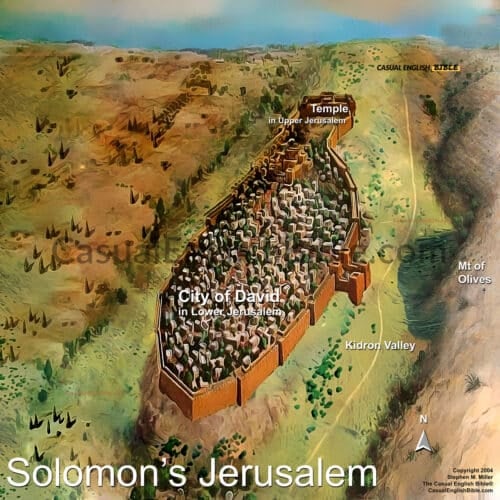
13In all, 1,760 priests came back to the decimated city of Jerusalem. All the priests helped lead their clans and were qualified to work in the Temple, which had been destroyed. [3]
Levites, associates to priests
14These are the Levite leaders who came back to Jerusalem:Shemaiah son of Hasshub. His ancestors: Azrikam, Hashabiah, Merari.
15Bakbakkar, Heresh, Galal, and Mattaniah, whose ancestors starting with Mattaniah’s father were: Mica, Zichri, and Asaph.
16Obadiah, whose ancestors starting with his father were: Shemaiah, Galal, Jeduthun.
Berechiah son of Asa, and grandson of Elkanah. Berechiah lived in a community near the town of Netophah.
Temple guards who came back
17These are men assigned to guard entrances into the Temple courtyards:Shallum, Akkub, Talmon, Ahiman and their families. Shallum led the clan.
18These men used to guard the King’s Gate, which led into the east side of the Temple courtyard. But now, their job was to guard the Levite camp. 19Shallum was the son of Kore, grandson of Ebiasaph, and a leader in the Korah family clan. He directed the work that the guards did, which was to protect entrances into the Levite camp just as their ancestors had protected entrances into the Temple. 20Years before, Phinehas son of Eleazar used to direct the work of the guards. That was before the Temple was destroyed. He was a man in good standing with the LORD.
21Zechariah son of Meshelemiah guarded the entrance into the sacred tent at the worship center. [4]
22There were 212 Temple guards who returned to Jerusalem. Their names appear in genealogies kept by their individual towns and villages. They inherited their jobs from ancestors whom David and the prophet Samuel trusted enough to give them the jobs. 23So, their assignment and that of their descendants was to guard the entrance into the sacred place of worship, God’s Temple.
Fulltime guards, part-time guards
24There was a fulltime guard in charge of Temple entrances on each side of the worship complex: east, west, north, and south. 25But those men had part-time associates who lived throughout the area, in villages scattered nearby. Those part-time guards formed seven teams and took turns pulling guard duty one week at a time.26The four lead guards managed the others and protected the Temple valuables and the storage rooms along the outside walls of the Temple, where some workers lived. 27They posted guards at the Temple all day, every day. In the morning, guards opened the Temple gates.
Chores of the Temple workers
28Some guards kept tabs on the Temple utensils, counting them when they brought them out for use and again with they put them away.29There were guards for everything related to the Temple: furniture, tools that priests used, and offerings people brought, such as premium flour, wine, olive oil, fragrant incense, and spices. 30Some guards mixed spices for the Temple incense. [5] 31Mattithiah made flat bread. [6]He was Shallum’s oldest son, and a Levite from Korah’s clan. 32Others from Korah’s clan set the bread up in rows for the priests to eat each Sabbath.
33Temple musicians lived at the Temple because they were on call all hours of the day. They had one job only. Make music.
34There you have it, leaders of the Levites in Jerusalem, as reported in their family records.
King Saul’s family tree, continued
1 Chronicles 8:29-38 35Saul’s great-grandfather, Jeiel, settled in the town of Gibeon. He married a woman named Maacah. [7]
36They had 10 sons: Abdon, the oldest, followed by Zur, Kish, Baal, Ner, Nadab, 37Gedor, Ahio, Zechariah, and Mikloth.
38Mikloth had a son named Shimeam. Some of the families lived in Jerusalem among relatives.
39Ner had a son: Kish, the father of Saul. Saul had four sons: Jonathan, Malchishua, Abinadab, and Esh-baal.
40Jonathan had a son, Merib-baal, [8]and a grandson, Micah. 41Micah had four sons: Pithon, Melech, Tahrea, and Ahaz. 42Ahaz had a son: Jadah.
Jadah had three sons: Alemeth, Azmaveth, and Zimri.
Zimri had a son: Moza.
43Moza had a son: Binea.
Binea had a son: Raphaiah.
Raphaiah had a son: Eleasah.
Eleasah had a son: Azel. 44Azel had six sons: Azrikam, Bocheru, Ishmael, Sheariah, Obadiah, and Hanan.
Related maps
35Saul’s great-grandfather, Jeiel, settled in the town of Gibeon. He married a woman named Maacah. [7]
36They had 10 sons: Abdon, the oldest, followed by Zur, Kish, Baal, Ner, Nadab, 37Gedor, Ahio, Zechariah, and Mikloth.
38Mikloth had a son named Shimeam. Some of the families lived in Jerusalem among relatives.
39Ner had a son: Kish, the father of Saul. Saul had four sons: Jonathan, Malchishua, Abinadab, and Esh-baal.
40Jonathan had a son, Merib-baal, [8]and a grandson, Micah. 41Micah had four sons: Pithon, Melech, Tahrea, and Ahaz. 42Ahaz had a son: Jadah. Jadah had three sons: Alemeth, Azmaveth, and Zimri. Zimri had a son: Moza.
43Moza had a son: Binea. Binea had a son: Raphaiah. Raphaiah had a son: Eleasah. Eleasah had a son: Azel. 44Azel had six sons: Azrikam, Bocheru, Ishmael, Sheariah, Obadiah, and Hanan.
36They had 10 sons: Abdon, the oldest, followed by Zur, Kish, Baal, Ner, Nadab, 37Gedor, Ahio, Zechariah, and Mikloth.
38Mikloth had a son named Shimeam. Some of the families lived in Jerusalem among relatives.
39Ner had a son: Kish, the father of Saul. Saul had four sons: Jonathan, Malchishua, Abinadab, and Esh-baal.
40Jonathan had a son, Merib-baal, [8]and a grandson, Micah. 41Micah had four sons: Pithon, Melech, Tahrea, and Ahaz. 42Ahaz had a son: Jadah. Jadah had three sons: Alemeth, Azmaveth, and Zimri. Zimri had a son: Moza.
43Moza had a son: Binea. Binea had a son: Raphaiah. Raphaiah had a son: Eleasah. Eleasah had a son: Azel. 44Azel had six sons: Azrikam, Bocheru, Ishmael, Sheariah, Obadiah, and Hanan.